
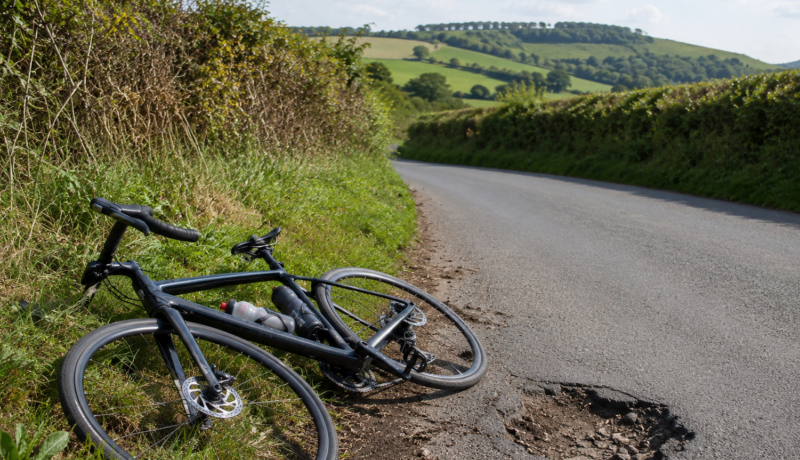
From an endurance event in Devon to a collapsed lung, broken bones, four nights in hospital — and the road back to work, training and normal life.
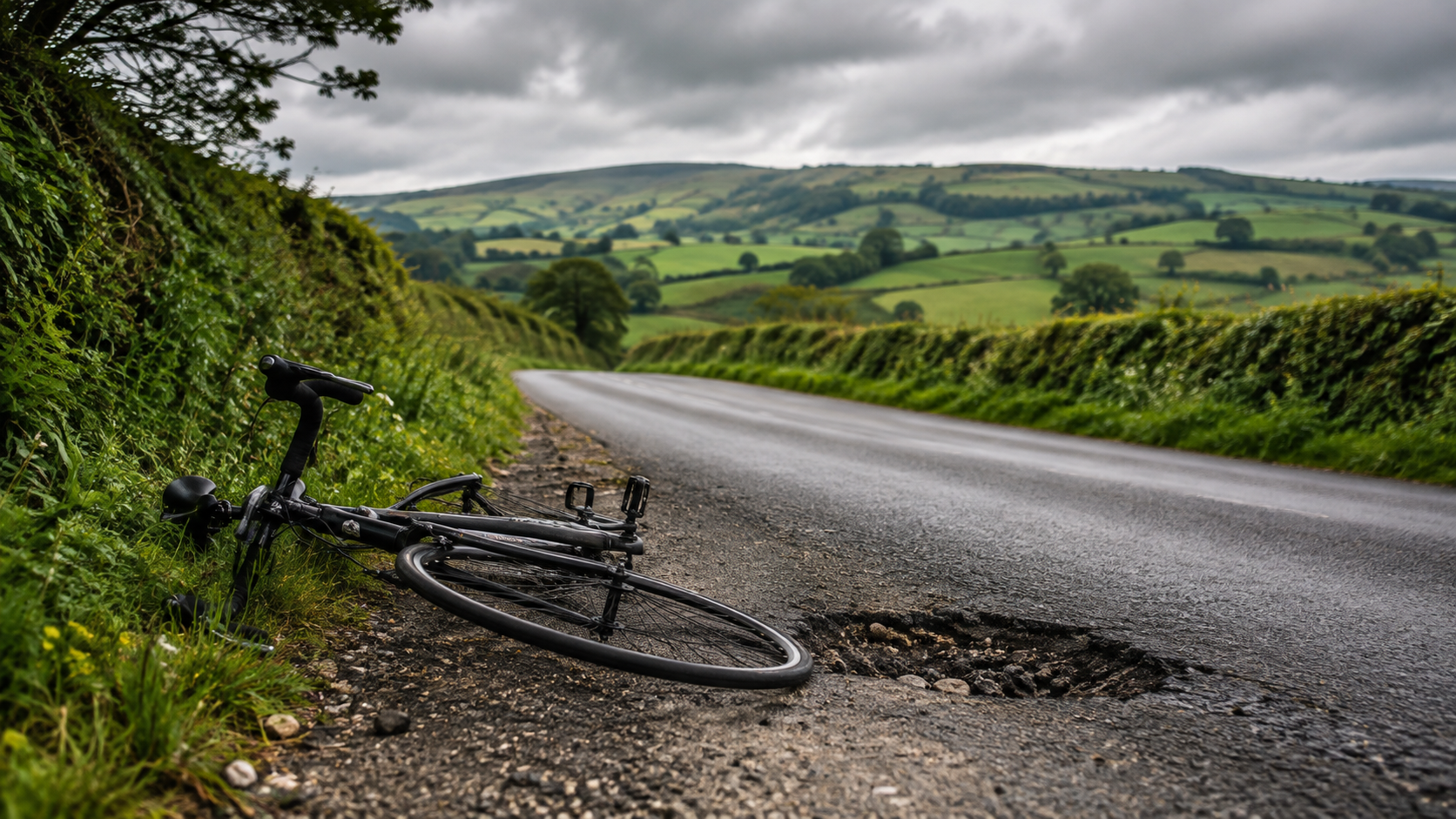
There are moments in life that divide time into two parts: before and after.
For me, that moment came on a country road in Devon during what should have been another incredible day of endurance sport.
One second I was riding towards the next checkpoint. The next, I was lying at the roadside trying to understand what had just happened.
What followed was not simply a trip to hospital. It became one of the biggest physical and mental challenges I have faced.
This is the story of that day, the injuries that followed and what recovery taught me.
A Different Kind of Start Line
Anyone who knows me knows I enjoy a challenge.
Running. Cycling. Stand-up paddleboarding. Anything that combines endurance with adventure.
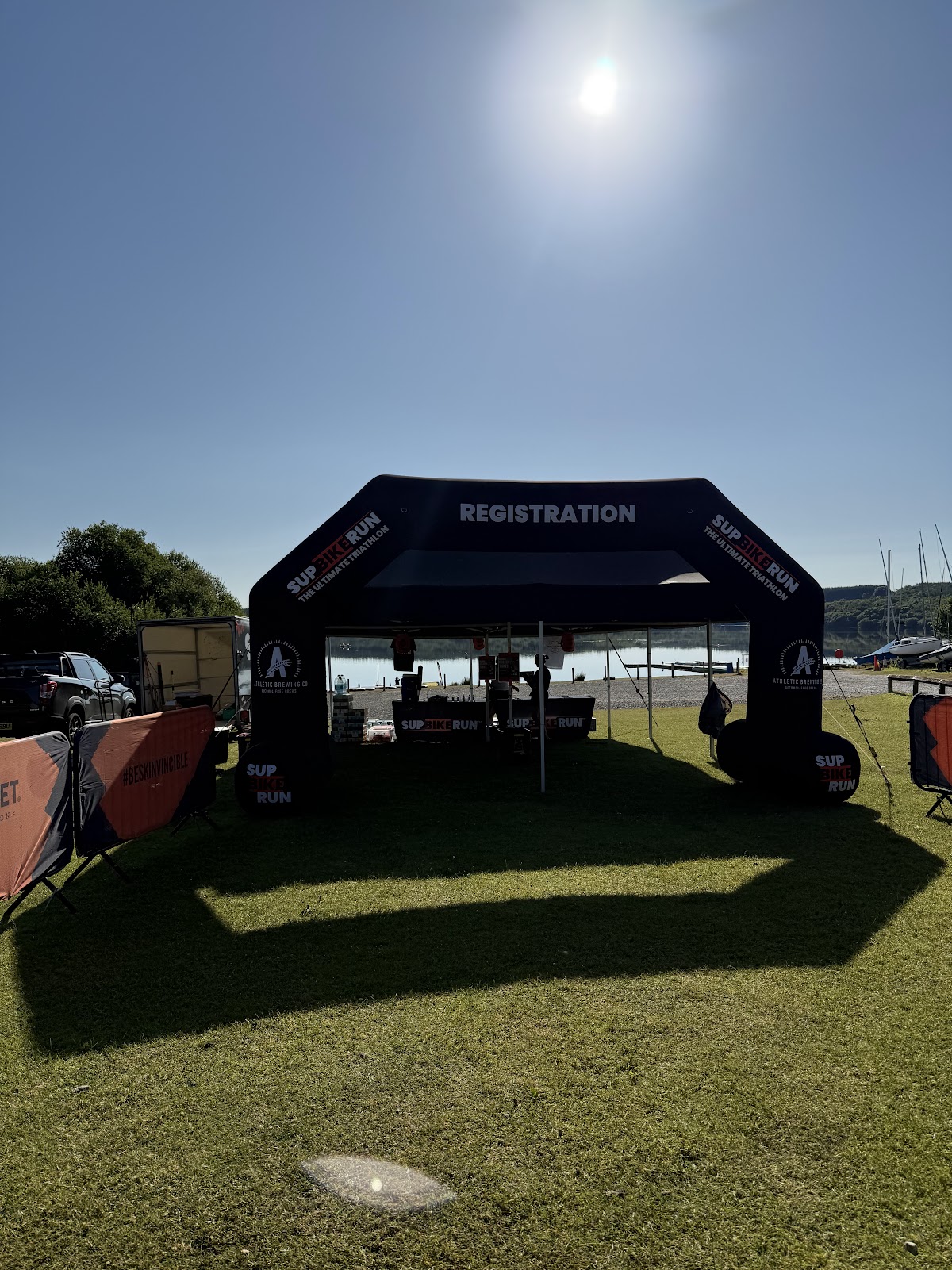
The SUP Bike Run in Devon appealed to me because it was not a conventional race. The original plan was to begin with a stand-up paddleboard stage before transitioning onto the bike and then finishing with a run.
Three sports. One adventure.
Unfortunately, the British weather had other ideas.
Strong winds across the lake made the water unsafe, so the organisers made the correct decision to cancel the paddleboarding stage. Nobody wanted to lose part of the event, but safety came first.
The event became a bike-and-run challenge instead.
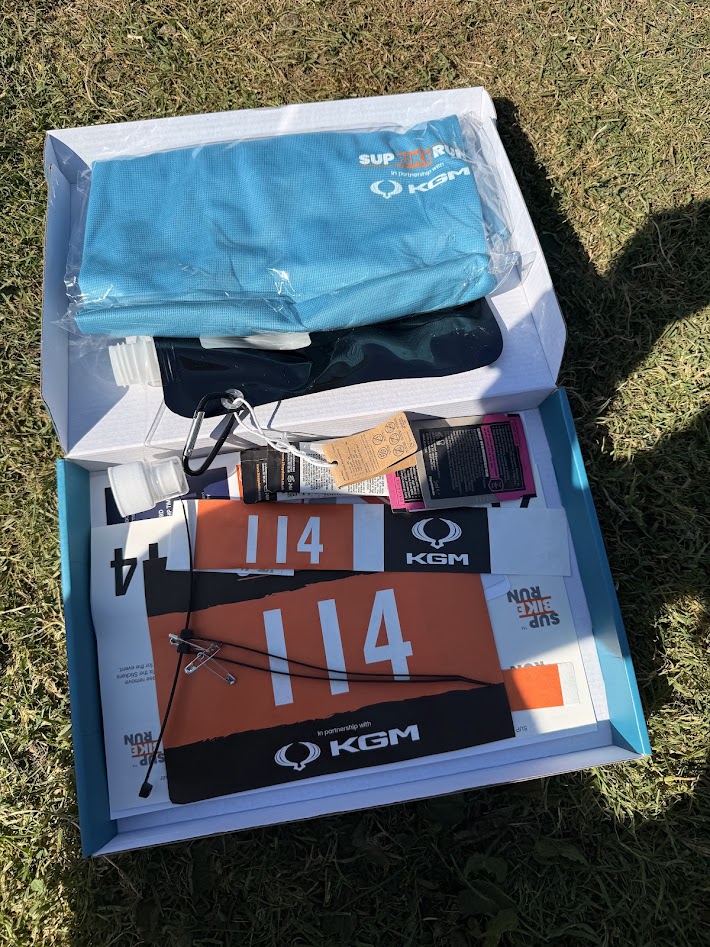
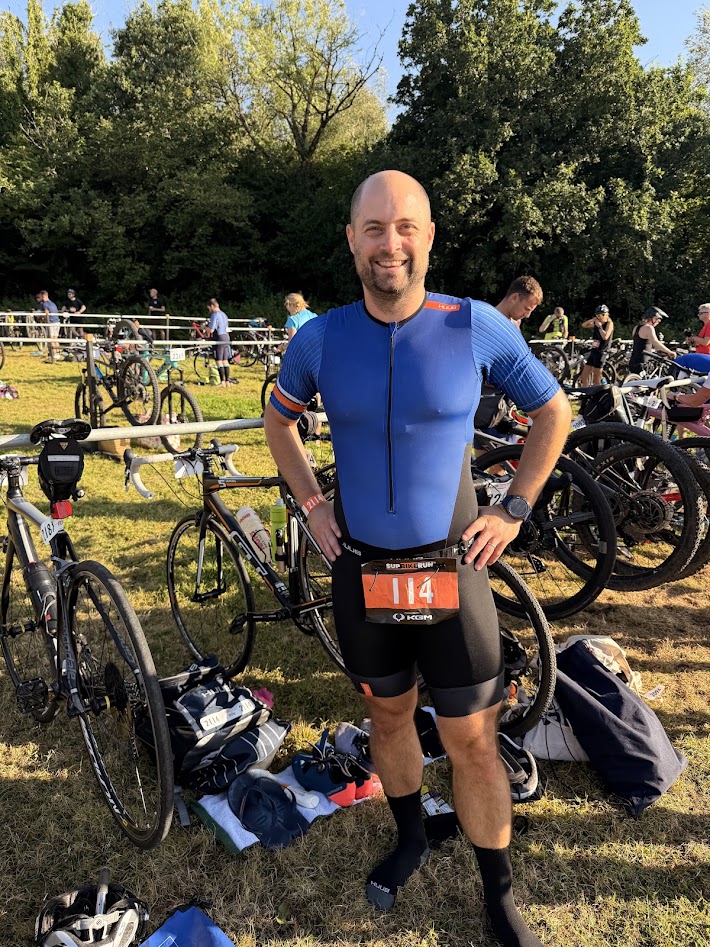
We adapted, checked our bikes and headed towards the start line. The atmosphere remained fantastic: laughter, nerves and excitement as everyone prepared to ride through the Devon countryside.
Rolling Through Devon
The opening miles were everything I had hoped for.
Quiet country roads. Rolling hills. Fresh air. Beautiful scenery.
For a while, the only things that mattered were the sound of tyres on tarmac, steady breathing and the rhythm of pedalling.
These are the moments where everyday life disappears. No emails. No meetings. No deadlines. Just the road ahead.
I settled into a comfortable pace and felt strong. There was nothing to suggest the day was about to change.
From Start Line to A&E
This was not the route any of us expected to take.
A Matter of Seconds
A vehicle approached from behind and overtook extremely closely.
Everything that followed happened so quickly that I still cannot say with certainty whether the vehicle actually clipped me or whether I instinctively moved away from it.
What I do know is that immediately afterwards my front wheel hit a pothole.
There was no time to recover.
The bike became unstable almost instantly. Within a fraction of a second I was no longer riding. I was airborne.
I hit the ground heavily on my right side before crashing into the verge and bushes.
The impact was violent. My shoulder took most of the force.
I knew immediately that something was wrong. My shoulder hurt intensely, breathing was uncomfortable and every attempt to move made things worse.
“The crash itself lasted only seconds. Understanding what it had done would take much longer.”
Help Arrives
One thing I will never forget is how quickly people came to help.
Fellow competitors stopped immediately. Marshals arrived. Medical support reached me.
When you are lying on the side of the road, time feels different. Everything slows down. You start running mental checks: can I move my legs, can I breathe, what have I injured?
People I had never met were reassuring me, keeping me calm and making sure I stayed still while I was assessed.
Heading Home
After I had been assessed at the scene, I was not taken to hospital by ambulance.
The advice I left the event with was to head home and rest. At that point, none of us realised how serious the injuries were. I assumed I had badly injured my shoulder and would be sore for a while. Breathing was uncomfortable, but adrenaline has an incredible way of masking what your body is trying to tell you.
I had travelled to Devon for the event on my own. After the crash, Mum and my brother drove down from Redditch to collect me. My brother came in his own car, while Mum took over mine and drove me back home.
I was sore, struggling to get comfortable and replaying the crash in my mind. Even so, I genuinely believed rest would make things improve.
Mum Knew Something Wasn’t Right
By the time we arrived home, it was obvious that things were not improving.
The pain was not easing. Breathing still felt difficult. Even simple movements were becoming increasingly uncomfortable.
Mum made the decision that changed everything: we were going to A&E.
Within a short time of arriving, I was being assessed, observed and sent for imaging.
I expected to hear that I had broken my shoulder or collarbone.
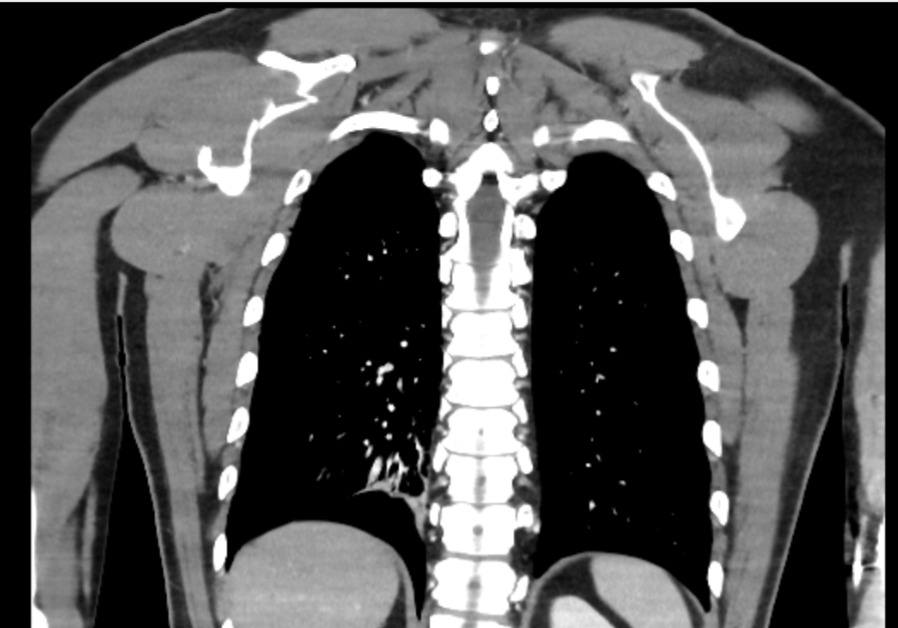
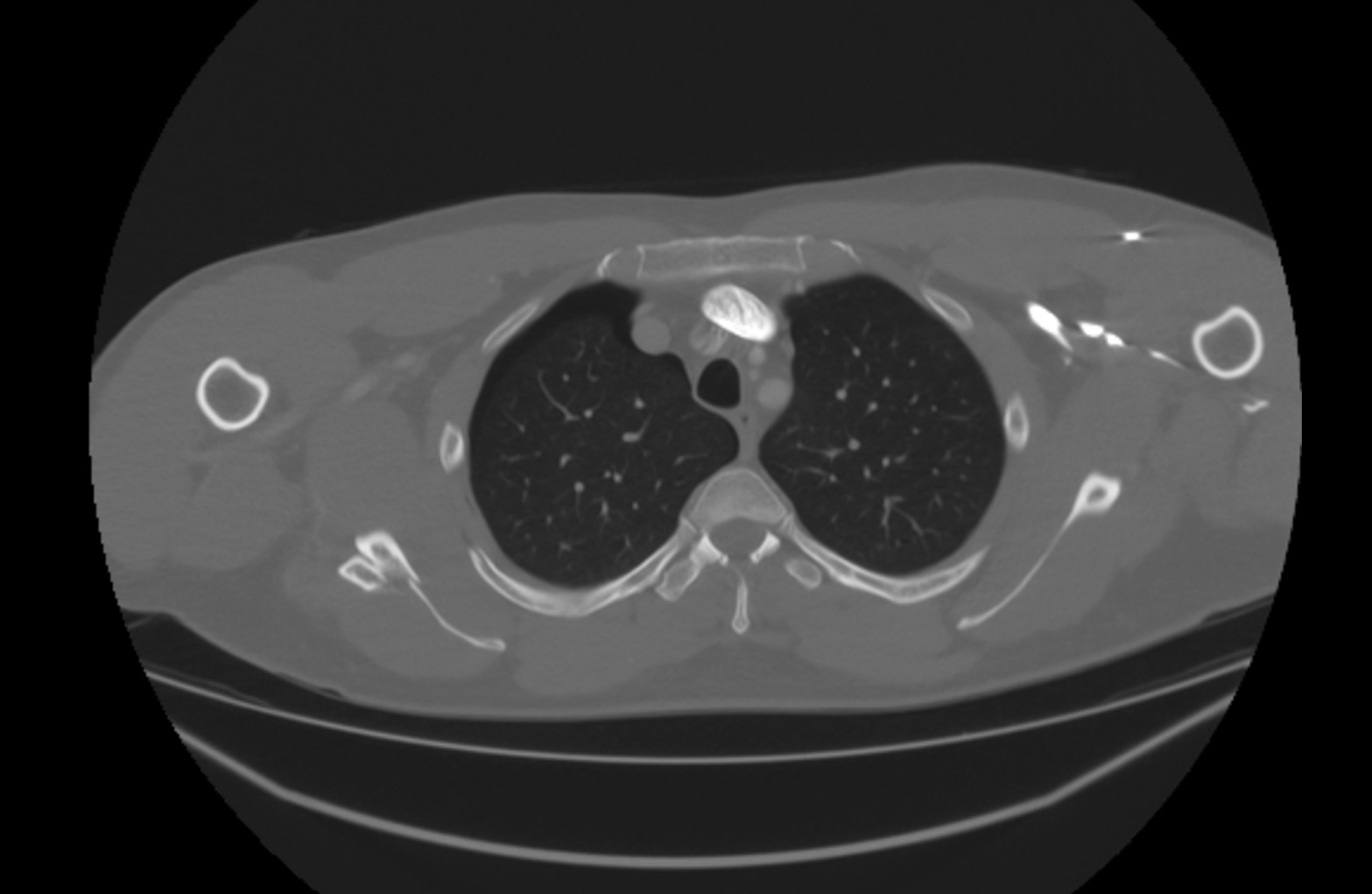
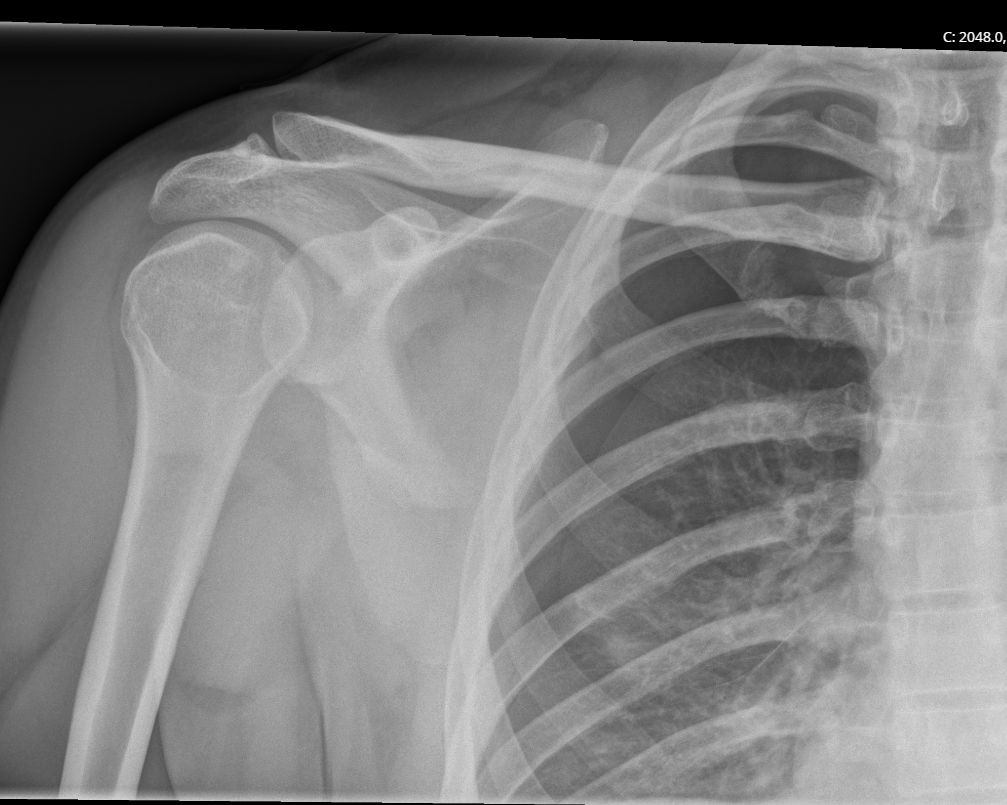
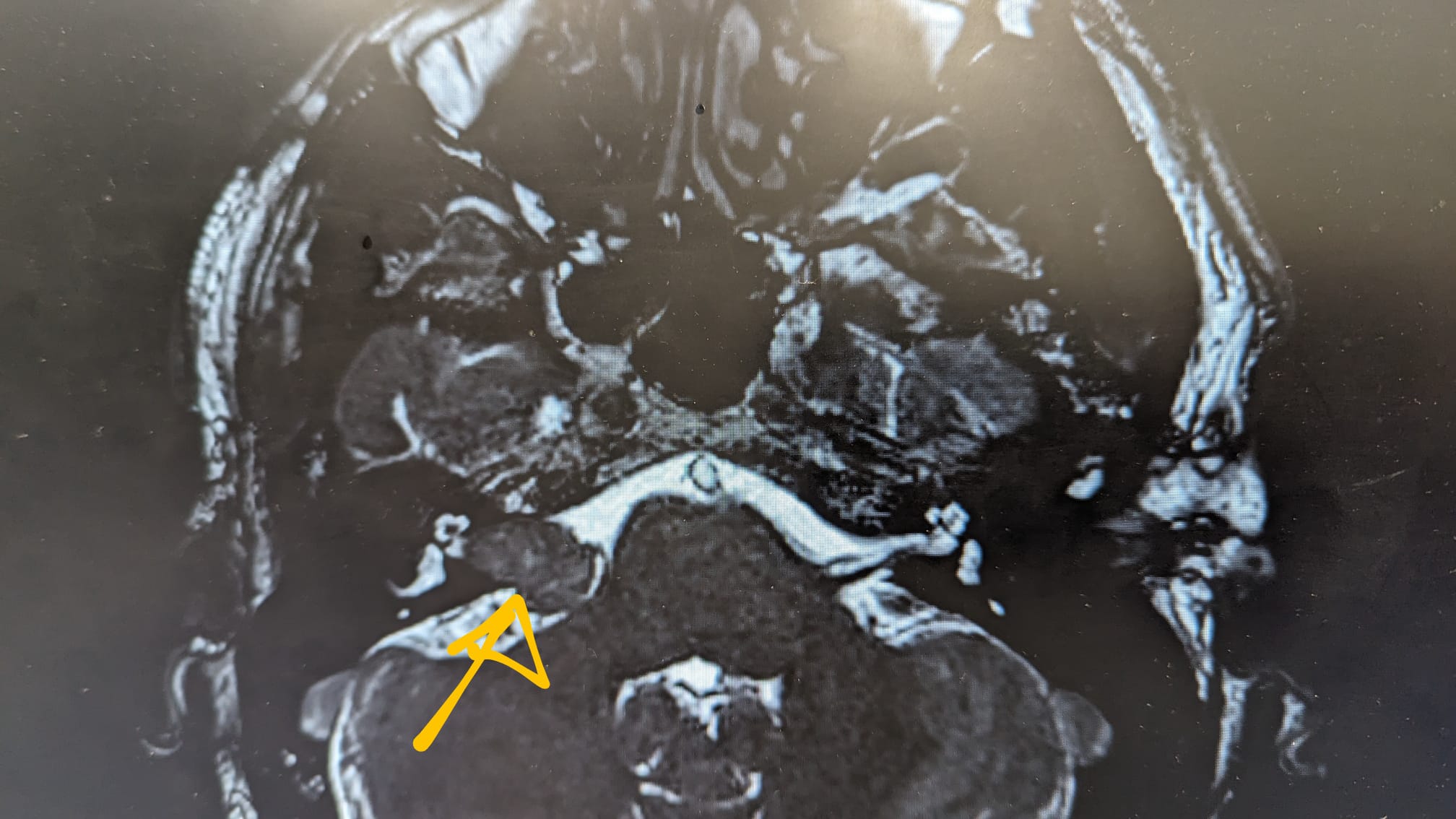
Instead, the CT showed a moderate right-sided pneumothorax measuring up to approximately 2.5 cm, a mildly displaced comminuted fracture through the body of my right scapula and a right lateral fourth-rib fracture.
The rest of the trauma CT was reassuring: there was no haemothorax, no major intrathoracic vascular injury, no acute spinal fracture and no evidence of abdominal bleeding.
One of the ED doctors was blunt with me. I remember being told that I had been lucky to come to A&E rather than simply going home and sleeping on it, and that things could have ended very differently if the pneumothorax had deteriorated overnight. Nobody can know exactly what would have happened, but hearing that after I had originally expected to go home and rest was sobering.
What I had assumed was a painful cycling accident had become a four-night hospital stay.
One impact. Three significant injuries.
Moderate pneumothorax
A traumatic right-sided pneumothorax measuring up to approximately 2.5 cm and requiring a chest drain.
Comminuted scapula fracture
A mildly displaced comminuted fracture through the body of the right scapula. The shoulder socket itself was not involved.
Fourth rib fracture
A right lateral fourth-rib fracture, adding a very effective reminder every time I tried to cough, laugh or take a deep breath.
What the Scans Showed
The CT and X-rays taken that night provided the clearest picture of what the crash had done. I did not obtain downloadable copies until several weeks later, but these are the original images from that admission.
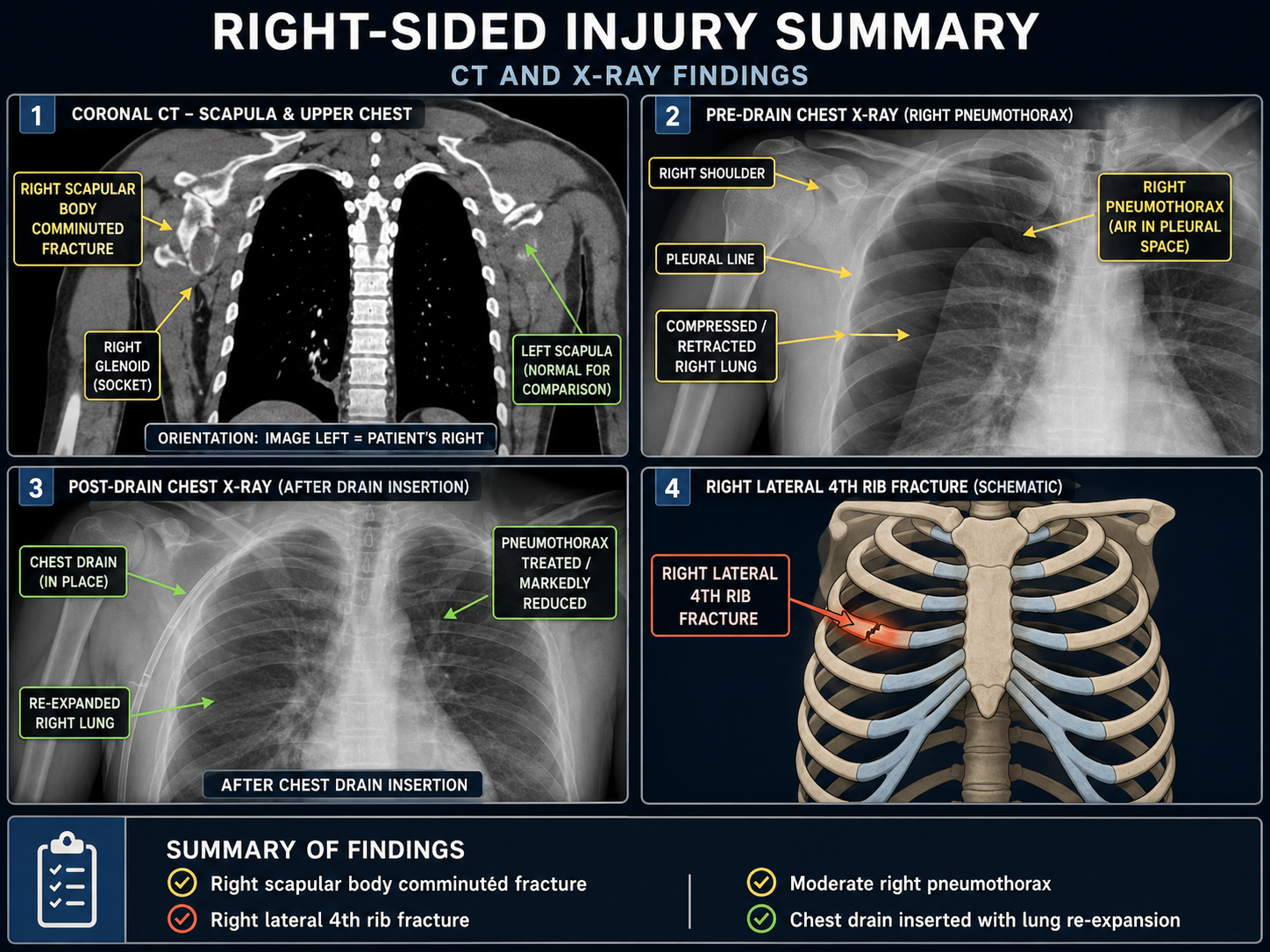
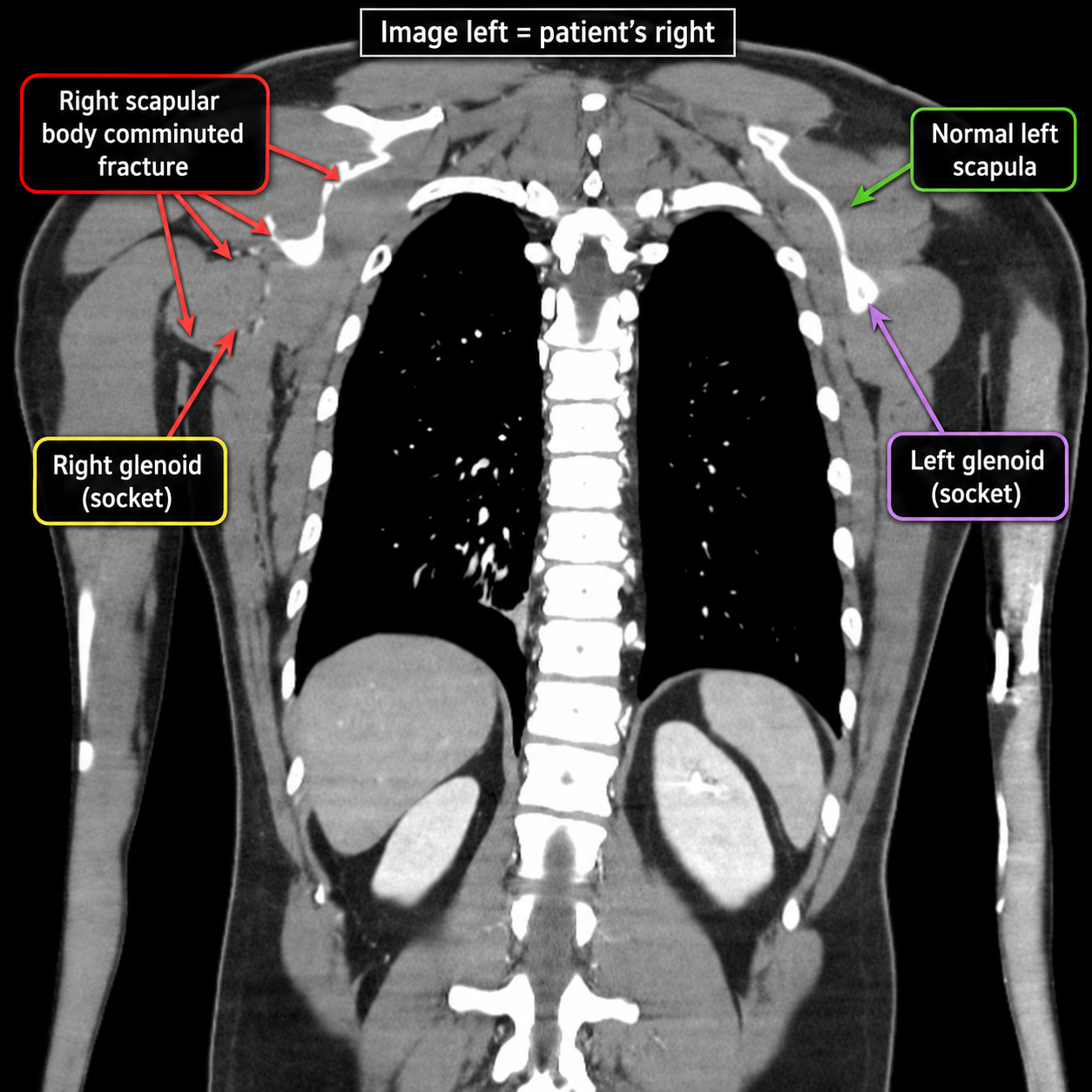
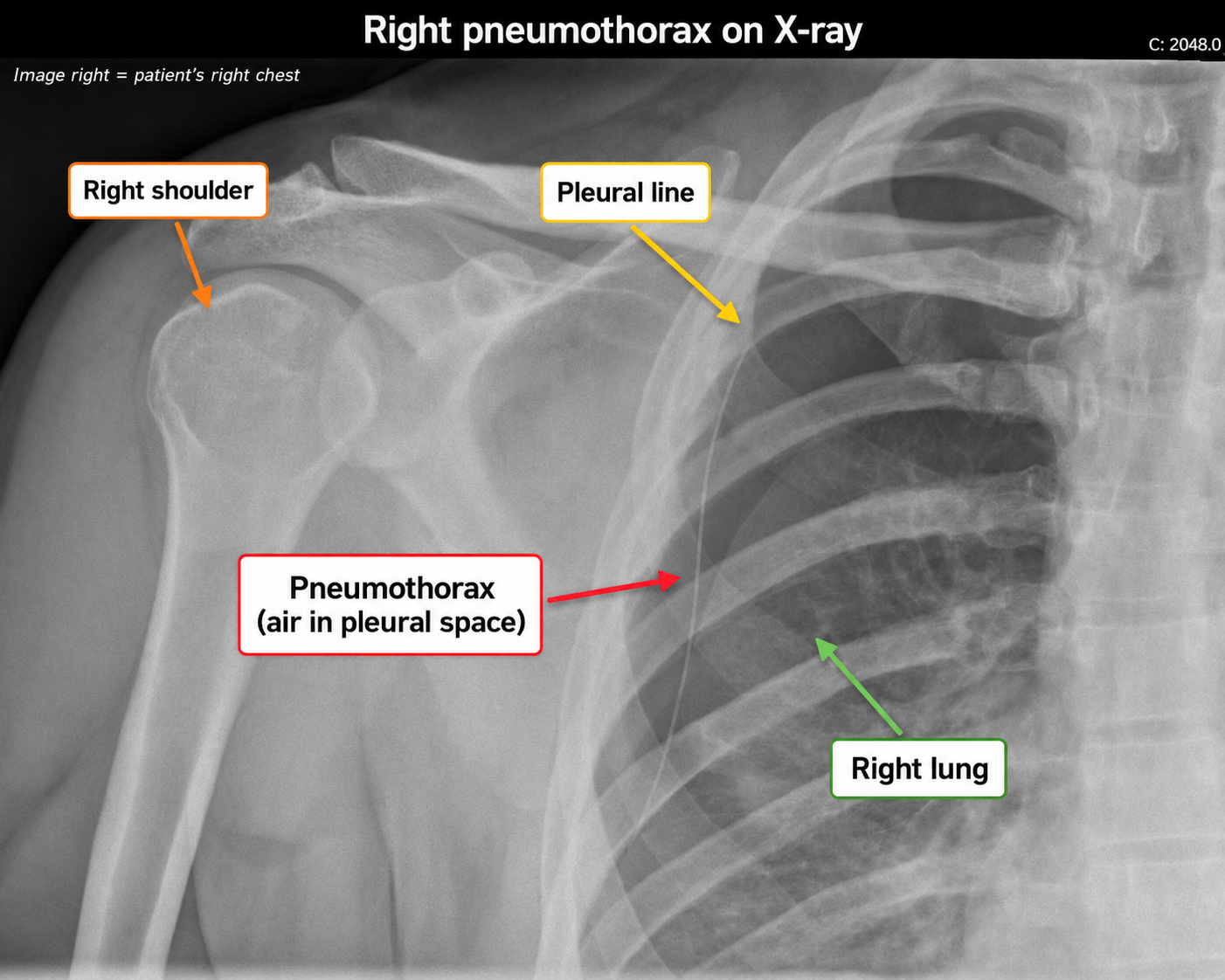
The original CT slices
The annotated image above makes the fracture easier to understand. These are two of the original bone-window CT images without added labels, showing the same injury in different planes.
The CT report, in plain English
The radiology report described a “moderate right-sided pneumothorax measuring approximately up to 2.5 cm”, a “right body of scapula mildly displaced comminuted fracture” and a “right lateral fourth rib fracture.”
That wording matters. The scapula was not simply cracked: comminuted means it had broken into multiple fragments. Mildly displaced means those fragments had moved slightly. The fracture remained suitable for conservative treatment and ultimately did not require surgery. Later fracture-clinic review confirmed that the shoulder joint itself was not involved.
The ED doctor had estimated that the lung was roughly half collapsed. The CT report did not give a percentage, so I cannot put an exact number on it retrospectively; what it did formally confirm was a clinically significant moderate traumatic pneumothorax that required drainage.
Four Nights That Changed My Perspective
Reality Sets In
A comminuted fracture through the body of my right shoulder blade. A right lateral fourth-rib fracture. A moderate traumatic right-sided pneumothorax.
It was not one injury. It was three.
The fractures could wait. The lung was the immediate priority, and the medical team explained that it needed treating with a chest drain.
The Chest Drain
Of everything that happened during my stay, the chest drain is probably what people ask me about most.
It is also the part I would happily never experience again.
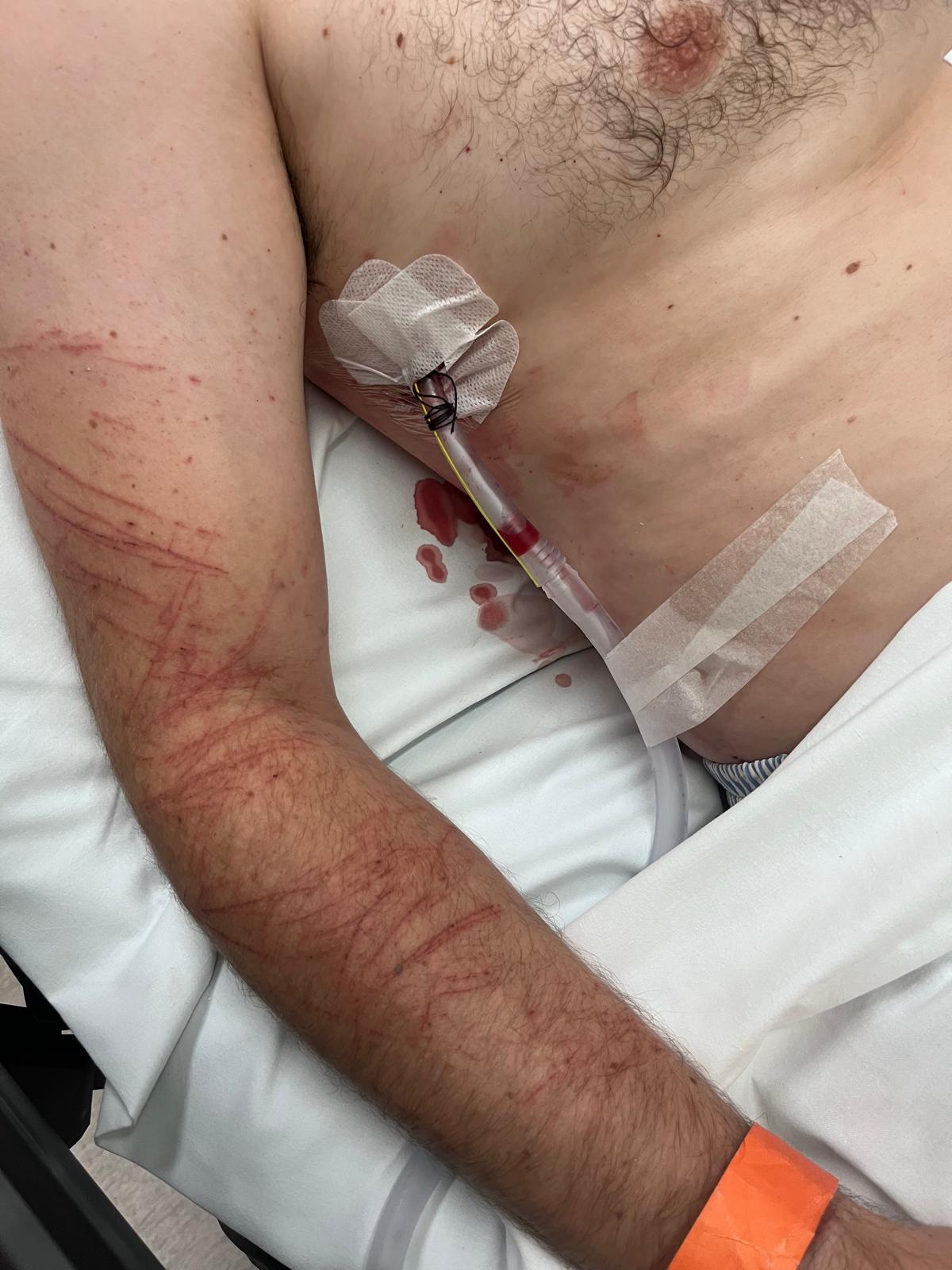
After local anaesthetic, the drain was inserted between my ribs into the space around my lung, allowing the trapped air to escape so the lung could re-expand.
It was uncomfortable, but almost immediately breathing became easier.
Not perfect. Not pain-free. Just easier.
Learning to Breathe Again
One of the most important pieces of equipment during my stay was an incentive spirometer.
Every hour I was encouraged to take five deep breaths through it to help keep the lung expanding and reduce the risk of complications.
At my best I was reaching around 3,000 ml. Every deep breath pulled against bruised muscles and my fractured rib, but each session became another small milestone.
Recovery was not happening in giant leaps. It was happening breath by breath.
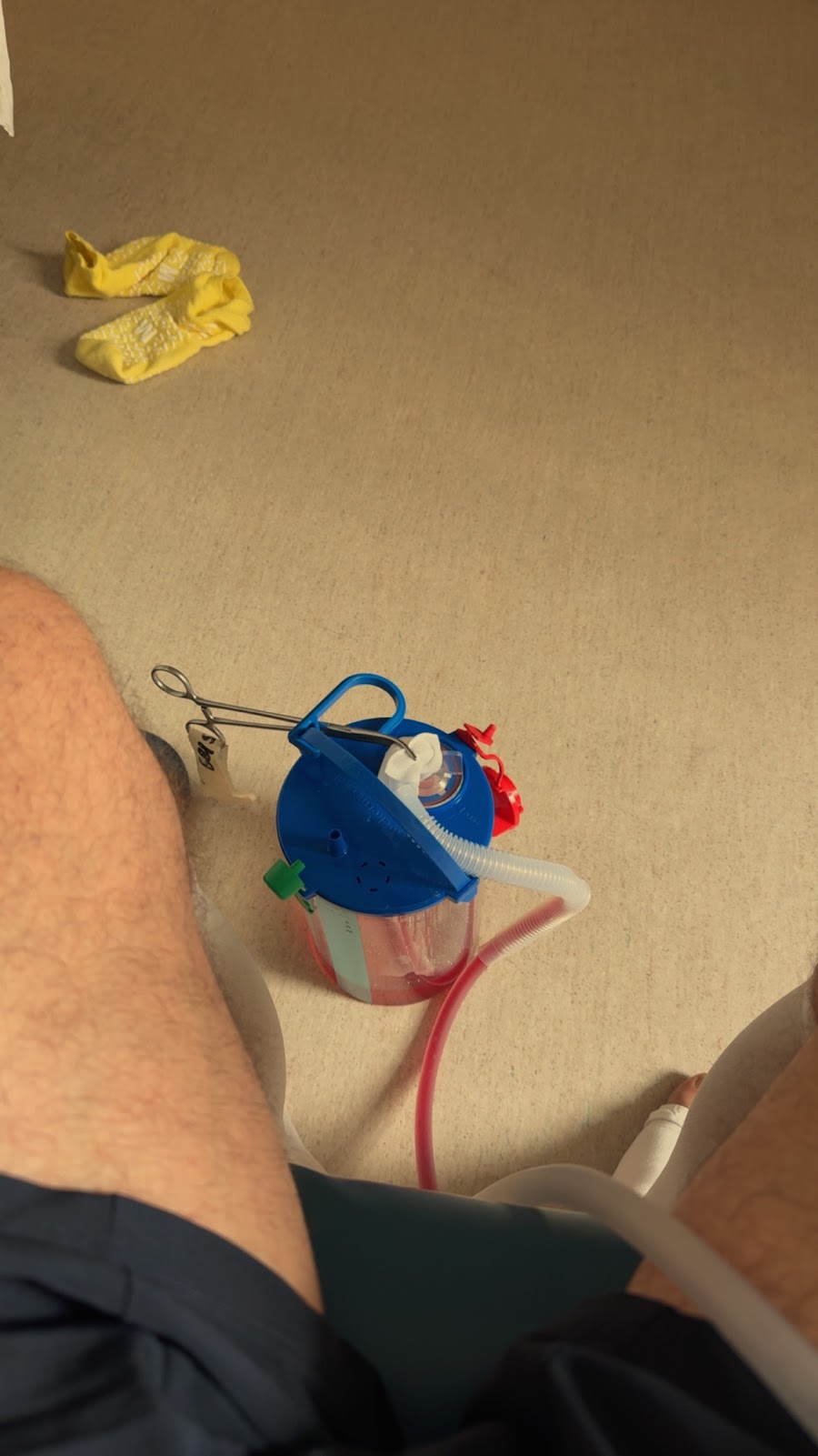
What it actually looked like
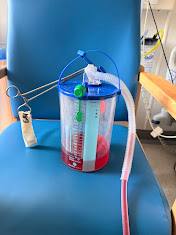
The X-rays explain what the drain achieved. These photographs show the much more physical reality of living with it.
Hospital Life
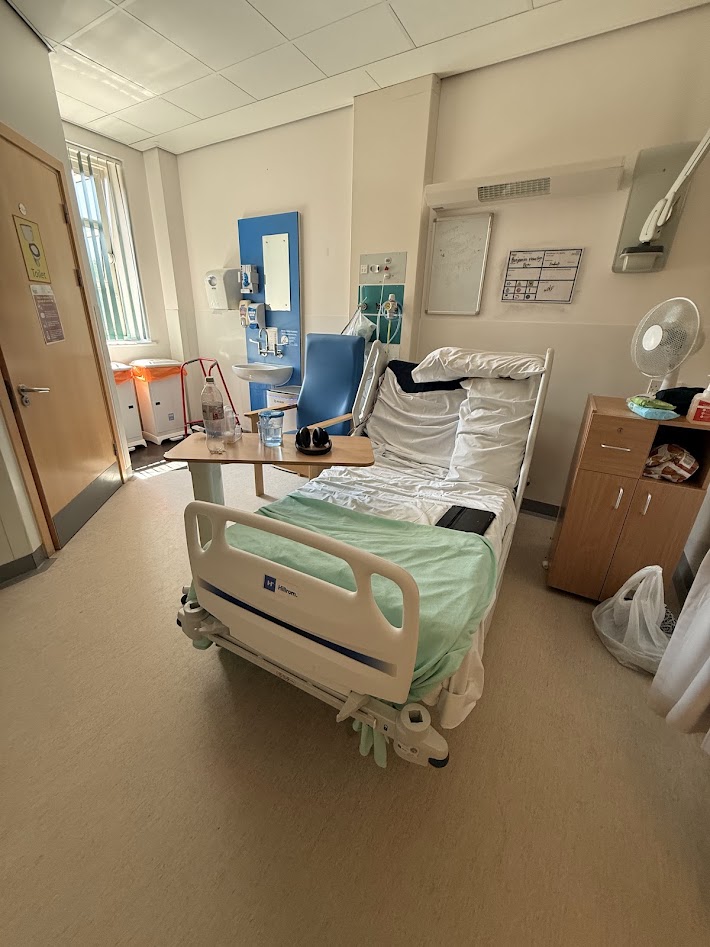
Hospital has a rhythm of its own. Days merge together. Time becomes measured by observations, medication rounds and meal trolleys.
There was a lot of waiting: waiting for the next review, waiting to see how my lung responded and waiting to hear what happened next.
Simple things became achievements: standing up, walking to the bathroom, getting back into bed without pulling on the drain and finding a comfortable sleeping position.
Every cough reminded me about the broken rib. Sneezing became something to fear. Even laughing came with consequences.
Four Long Nights
Four nights does not sound particularly long until you are living them.
Hospitals never truly sleep. Machines beep, doors open, observations continue and the lights never quite go out.
Sleep came in short bursts rather than full nights.
Despite everything, I never doubted the care I was receiving. Every member of staff treated me with kindness, professionalism and genuine compassion.
The bits between the observations
Not every memory from those four nights was a scan or a procedure. Some were much more ordinary.
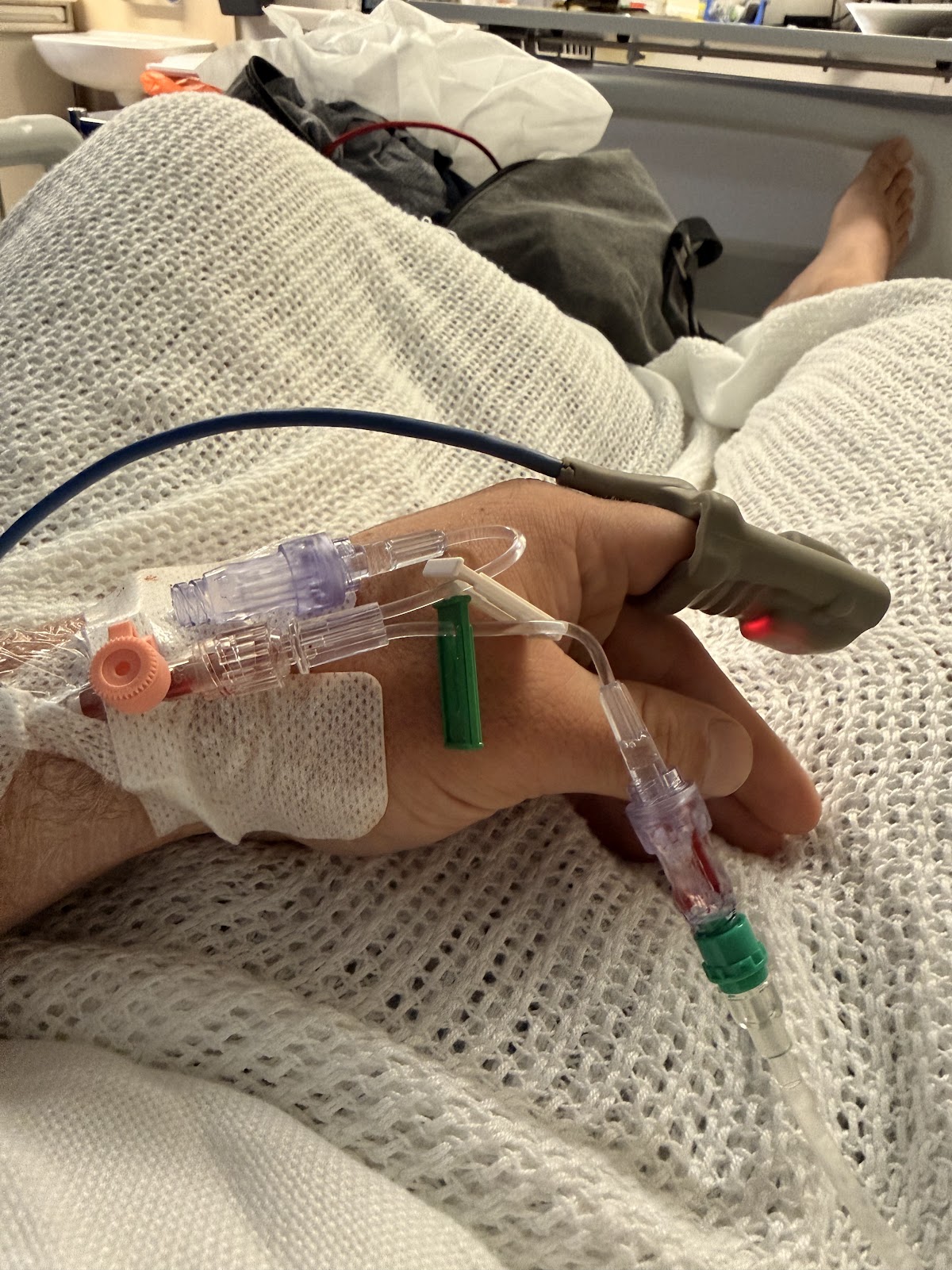
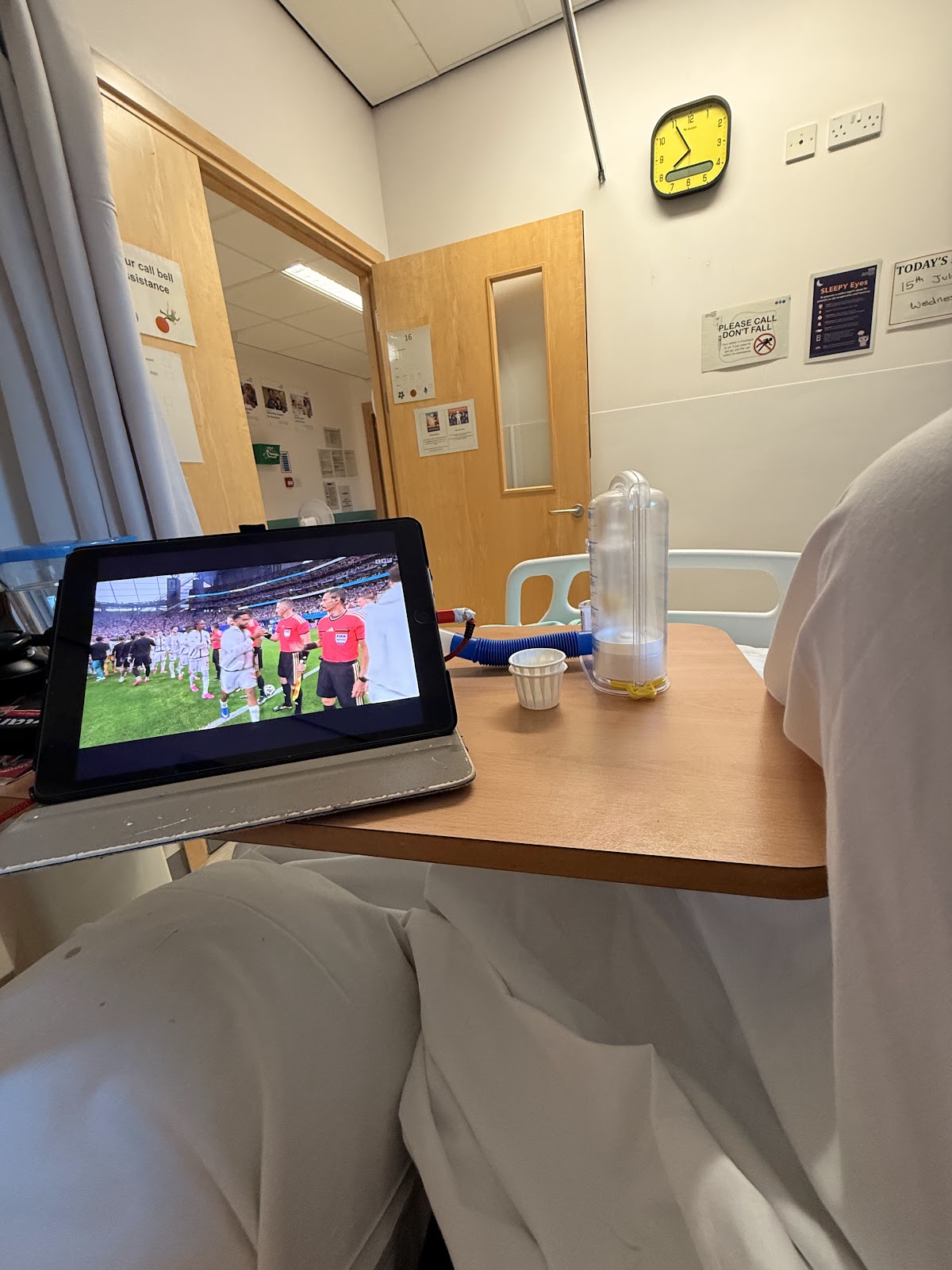
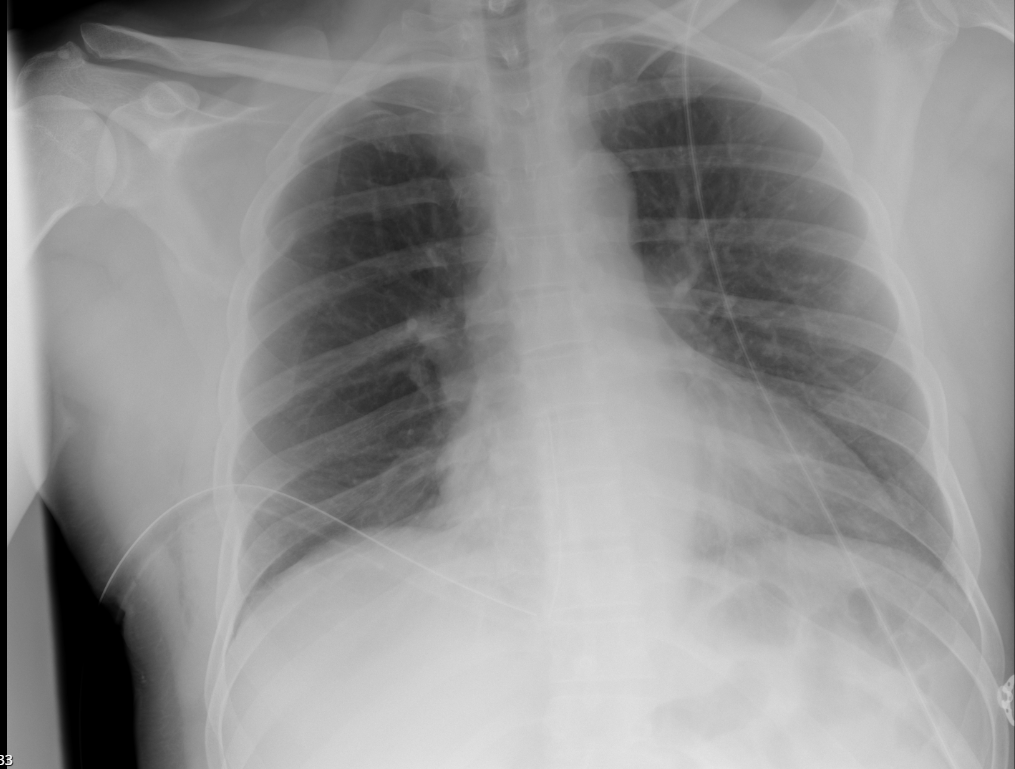
Before the drain. After the drain. Then clamped.
The imaging and the drain itself became a visual record of the treatment — from the pneumothorax, to lung re-expansion, to the point where the drain could be clamped before removal.
Watching the Progress
The chest X-rays taken during my stay marked the important stages in the treatment.
The first X-ray showed the traumatic right-sided pneumothorax. The subsequent CT then characterised the injuries more fully, describing the pneumothorax as moderate and measuring up to approximately 2.5 cm, alongside the scapular and fourth-rib fractures.
After the chest drain had been inserted, a later X-ray showed that my right lung had substantially re-expanded. Seeing the drain physically crossing my chest on the image made the whole experience feel strangely tangible.
The drain then remained in place while everything settled.
Before it could be removed, it was clamped to make sure my lung could stay inflated on its own. A further X-ray confirmed exactly what everyone hoped to see.
My lung had remained expanded. The chest drain could finally be removed.
I was not fully recovered, but for the first time since the accident I felt like I was moving forwards rather than simply waiting.
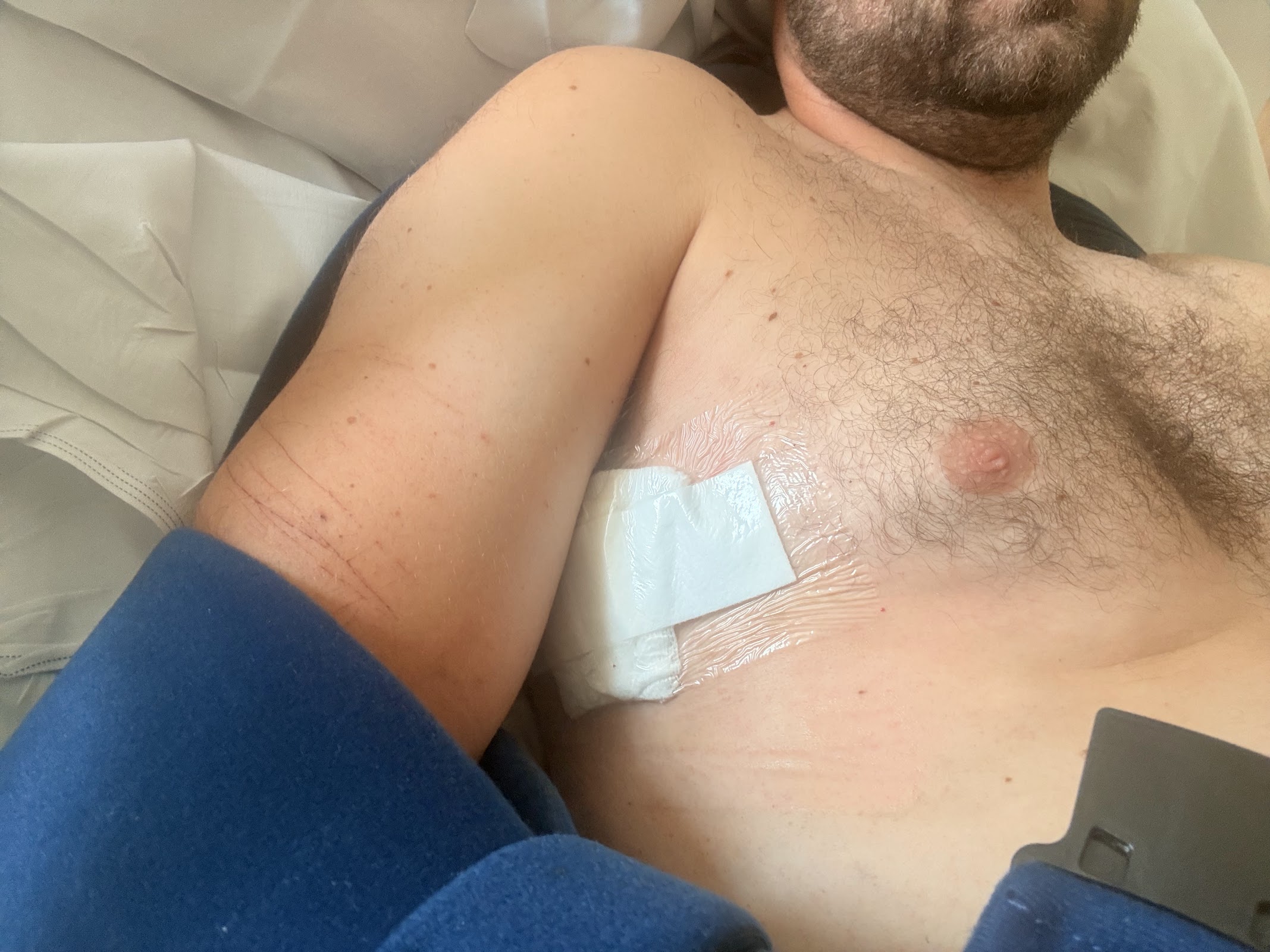
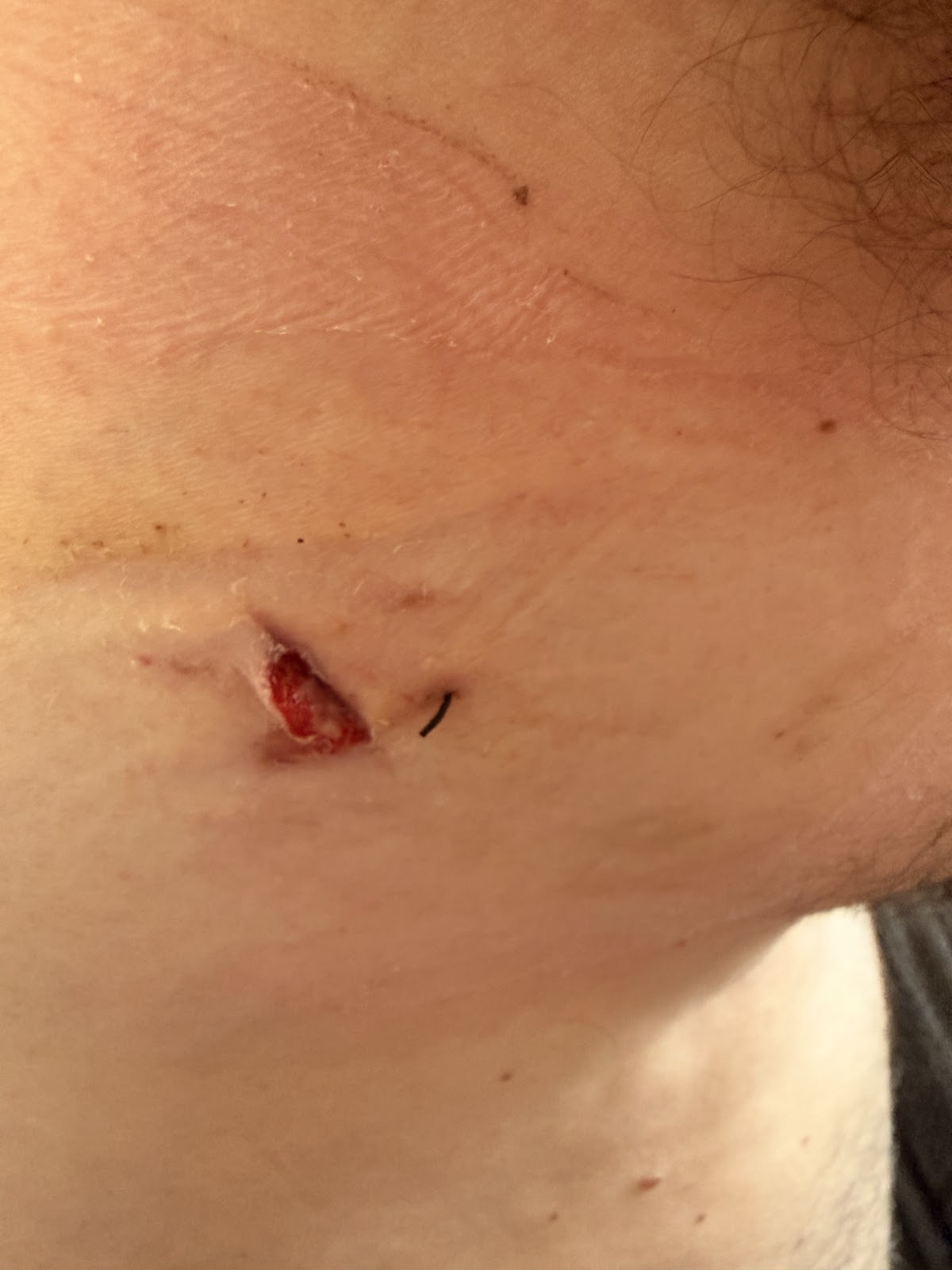
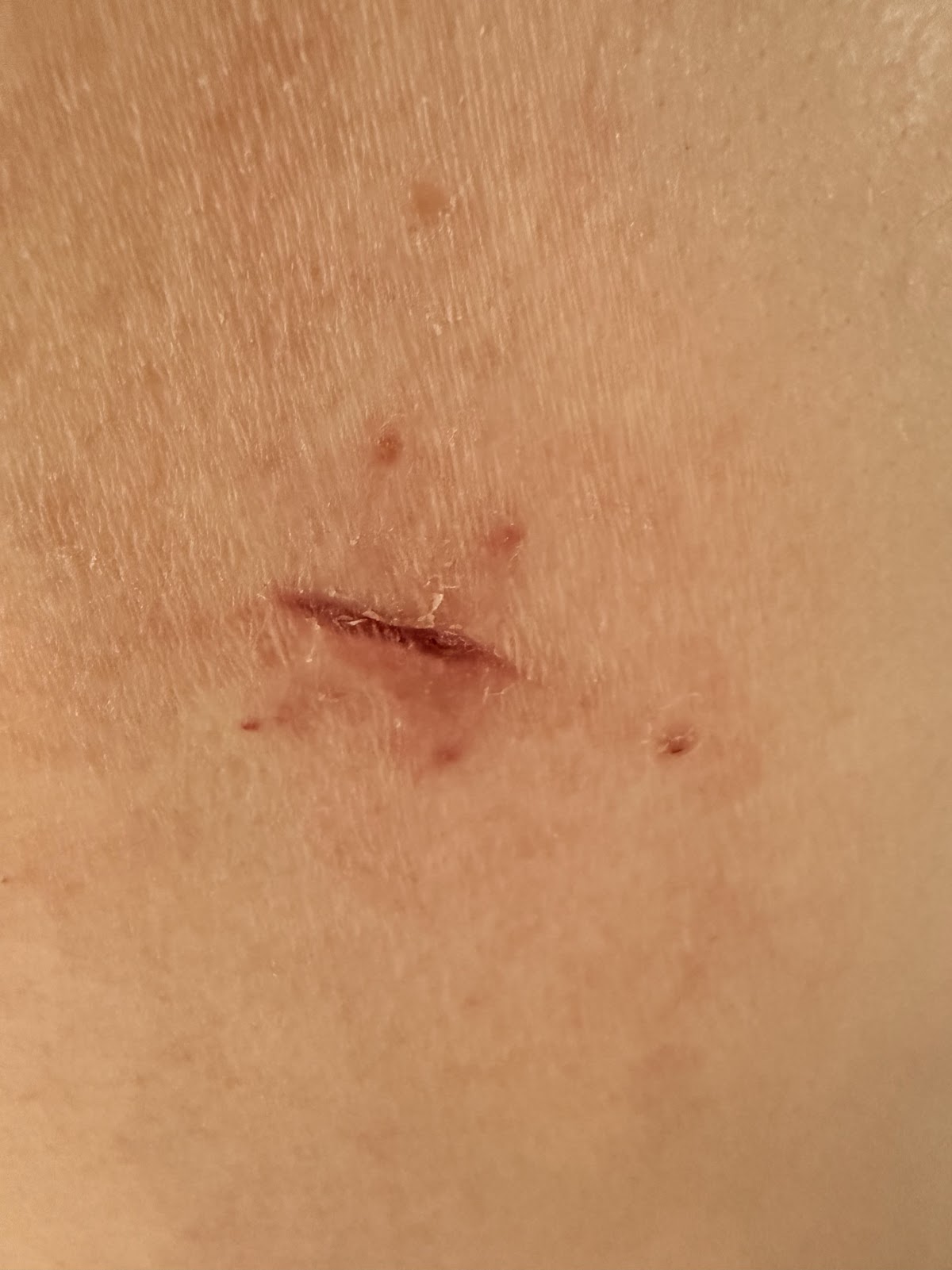
From drain removal to a scar
The lung recovered internally. On the outside, the drain site told its own much more visible recovery story.
Home… But Not Recovered
Discharge day was exciting. After four nights in hospital, all I wanted was my own bed, my own sofa and a proper cup of tea.
But leaving hospital was not the end of recovery. In many ways, it was just the beginning.
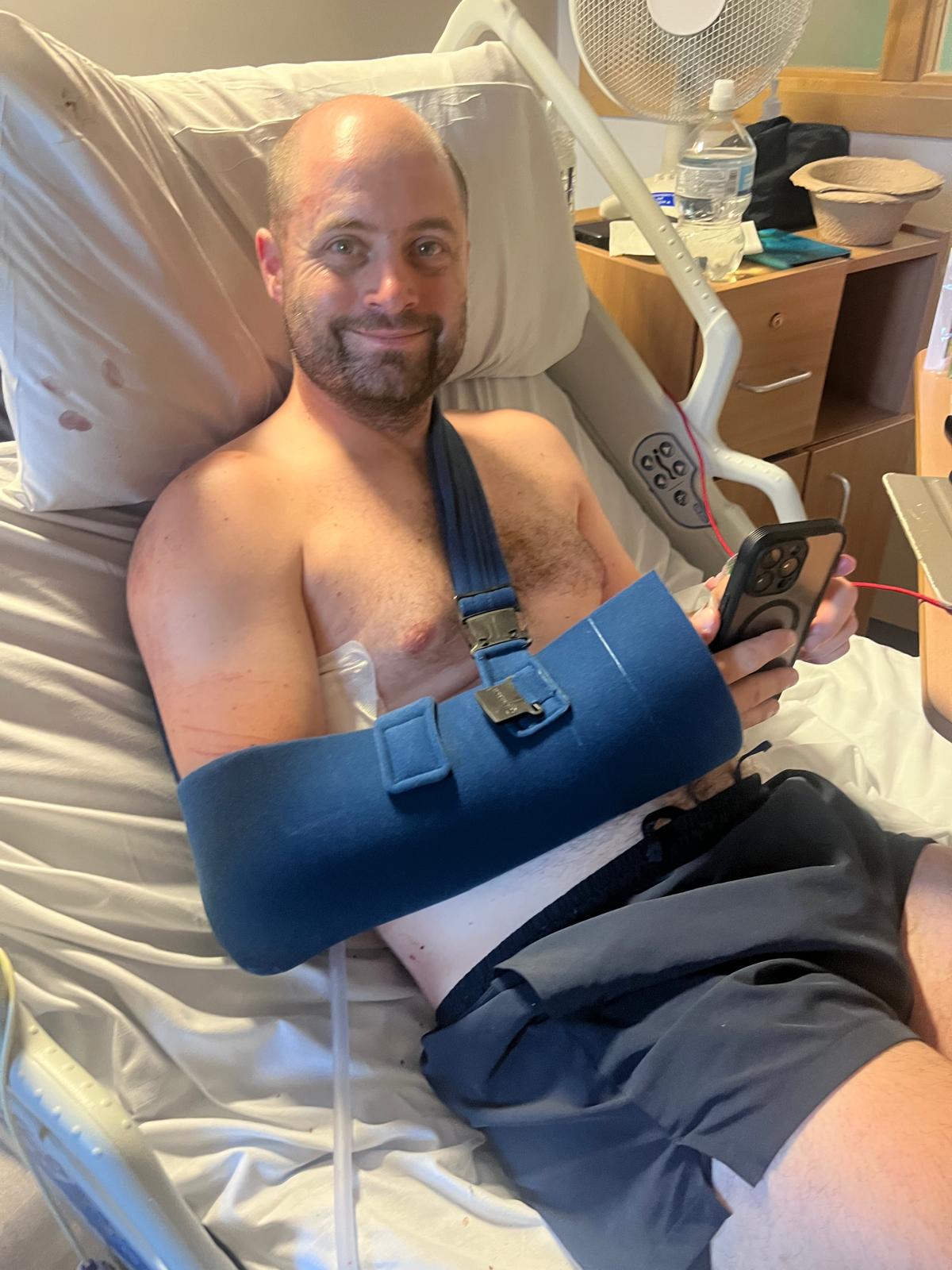
I left with my arm in a sling, a body that hurt every time I moved and clear instructions to take things slowly.
No cycling. No driving. No lifting. No flying.
The next challenge was not surviving the accident. It was learning how to recover from it.
Recovery Isn’t Linear
Home, But Not Back to Normal
Walking through my own front door felt like a milestone.
But going home did not mean I was recovered.
Getting dressed, having a shower, brushing my teeth, putting on a T-shirt and finding a comfortable position to sleep all required thought and planning.
Learning to Celebrate the Small Things
Before the accident, success meant completing a long ride, a challenging run or a new personal best.
Recovery changed that definition.
The first shower on my own. Sleeping through the night. Reaching for a cupboard without thinking. Lifting my arm a little higher than the day before.
Each improvement was tiny in isolation. Together, they became proof that my body was healing.
Patience Was the Hardest Exercise
I have always liked targets, plans and measurable progress.
Recovery does not work like that.
Some mornings I felt noticeably better. Others felt like a step backwards.
Eventually I realised that healing is not linear. Some days the body rests. Some days it repairs. Some days it surprises you.
Then Progress Started Accelerating
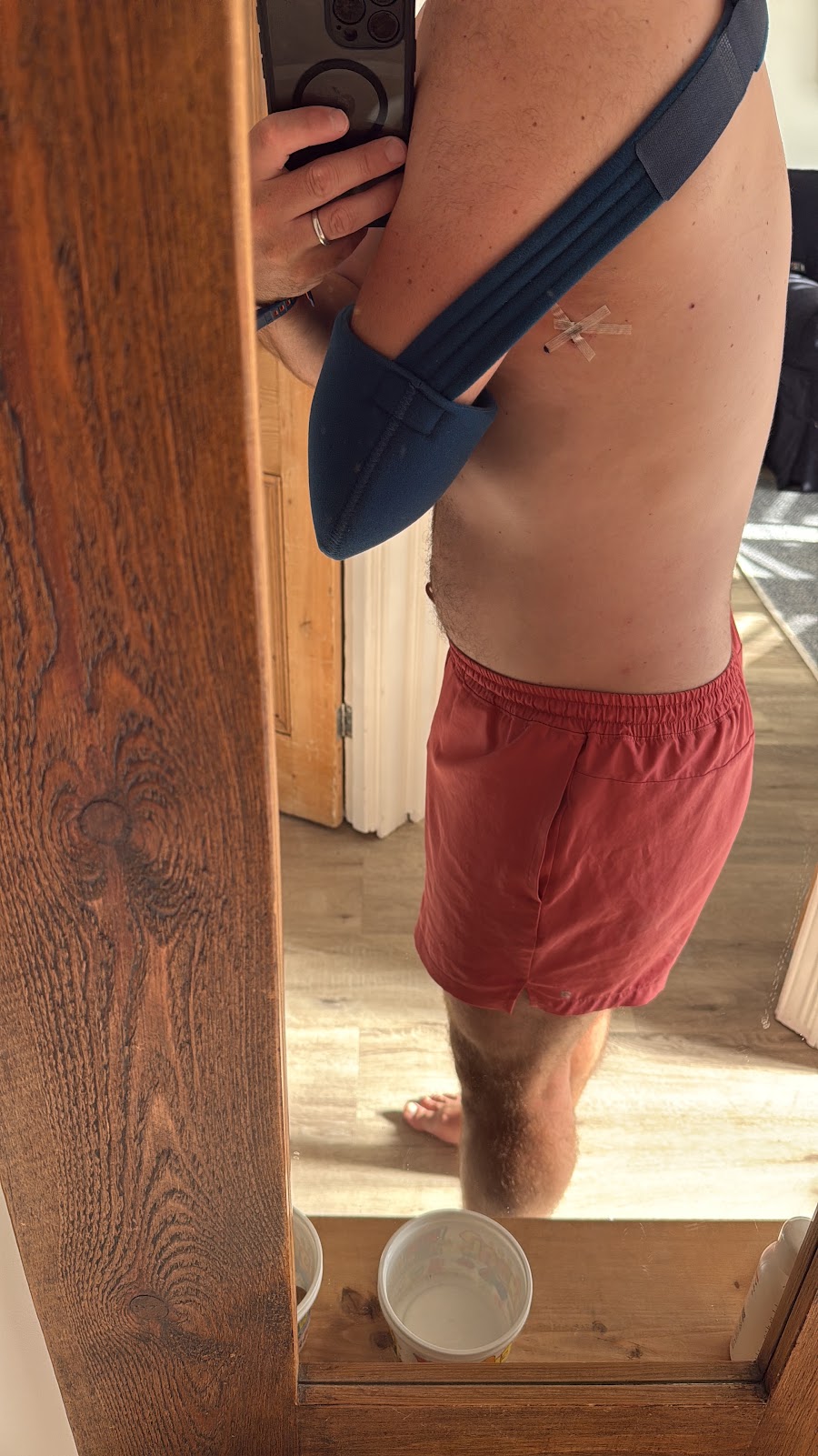
By early August my breathing felt normal, the rib pain had largely disappeared and the shoulder was moving more freely every day.
I had returned to work, was driving again and could lift my arm close to overhead height. There was still tightness through part of the movement, but the difference from those first days at home was enormous.
Week by week
The ordinary tasks that became important milestones.
The Return of Fresh Air
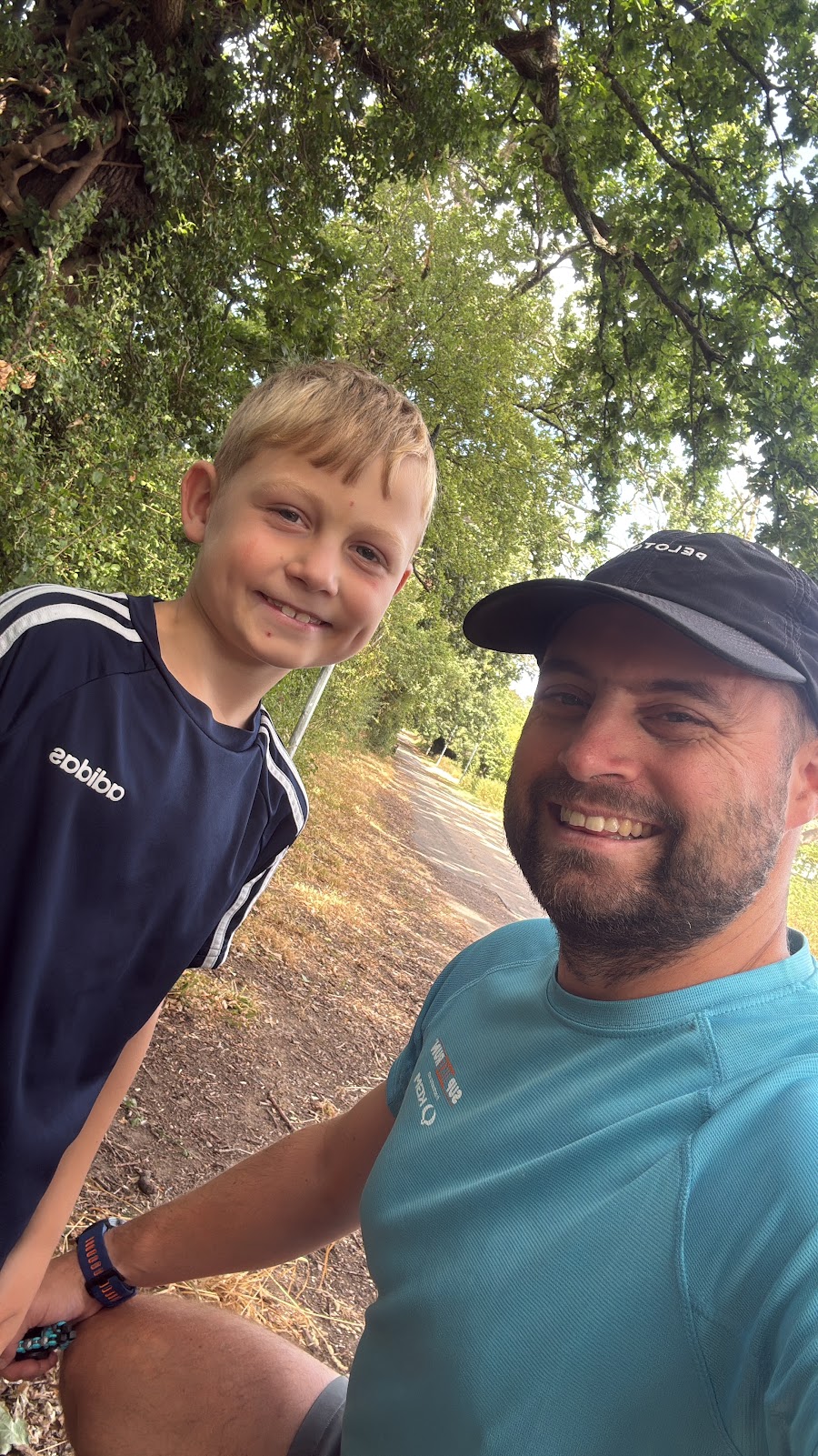
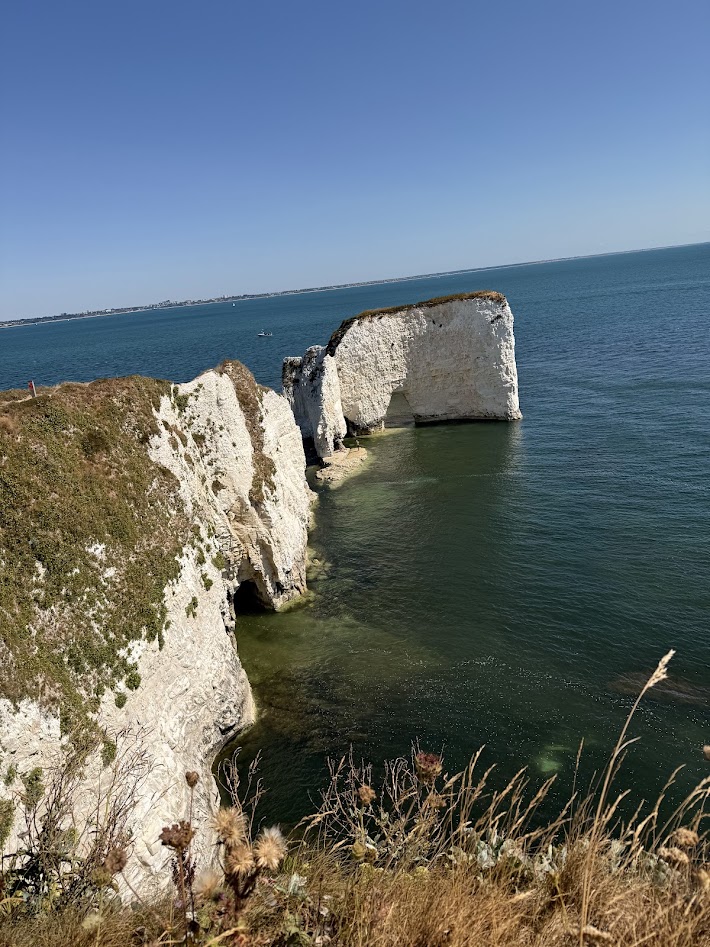
One of the first activities I truly enjoyed again was walking.
At first the walks were short, steady and careful. Gradually they became longer.
Eventually I was walking miles rather than metres.
Those walks became more than exercise. They gave me time to process what had happened and appreciate simply being able to move.
Recovery Also Meant Stopping
Not every milestone involved walking further or lifting my arm higher.
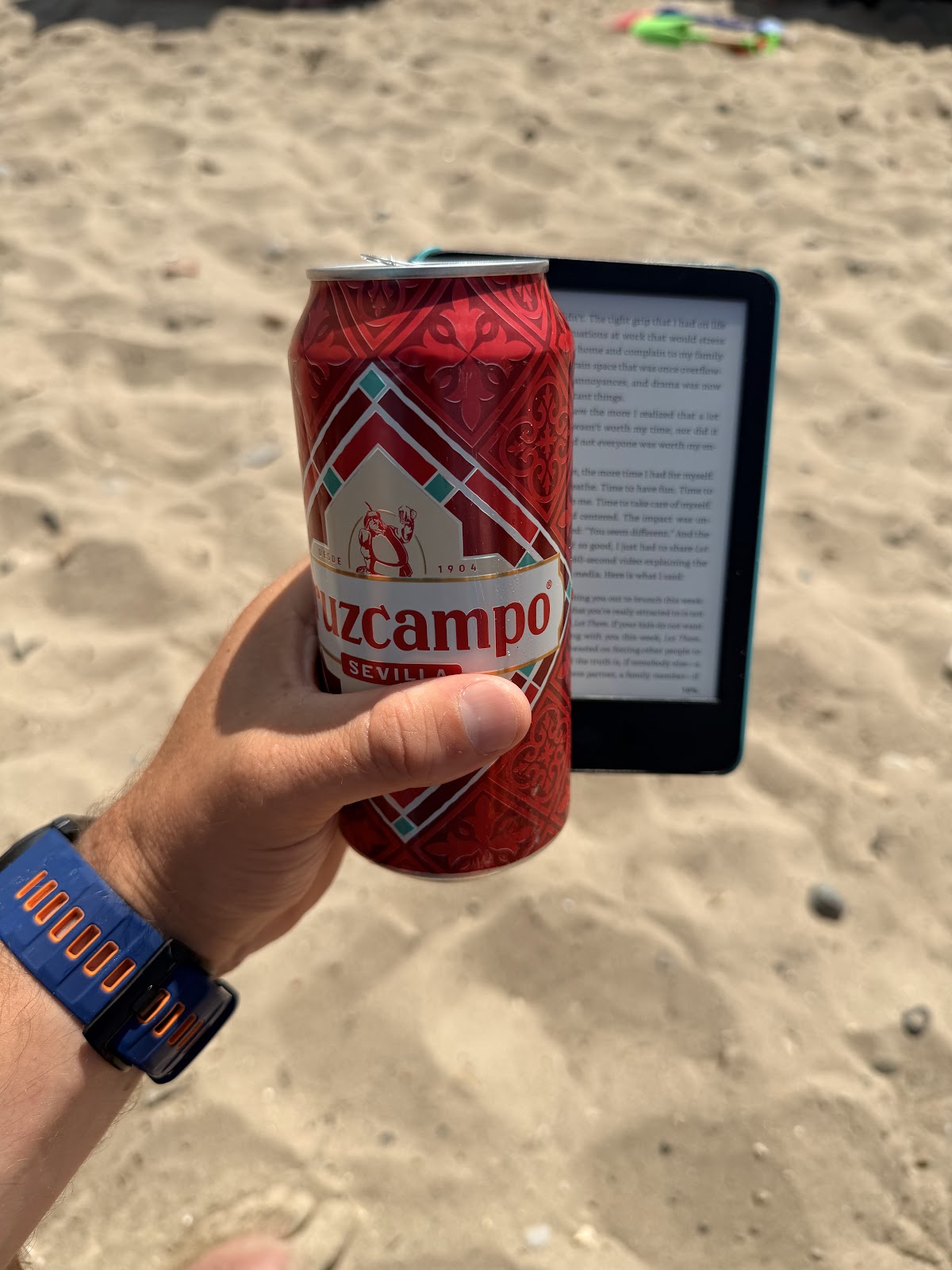
There was also something valuable in learning to sit still without feeling guilty about it: a book, a beach, a beer and nowhere I needed to be.
After days when life had been measured by observations, medication and spirometer numbers, normality sometimes looked wonderfully uneventful.
Discharged From Fracture Clinic
On 7 August I went back to fracture clinic expecting another checkpoint in the recovery process.
Instead, I was discharged.
The fracture was through the body of the scapula rather than the shoulder socket itself, and it had remained suitable for conservative treatment. No surgery had been needed. Physiotherapy was available if I wanted it, but there was no need for routine fracture-clinic follow-up.
Then came the part I had been waiting for: permission to start moving back towards sport.
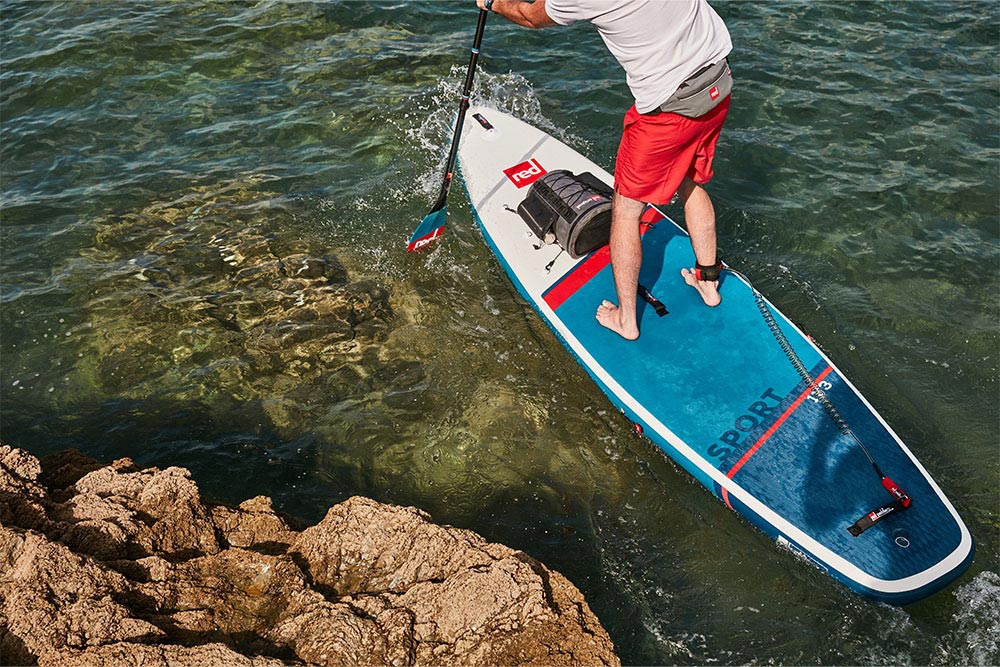
Static cycling could start immediately. Running could restart from the following week. Paddleboarding would need to wait until around the six-week point.
Less than a month after the crash, the conversation had changed from drains, fractures and restrictions to how I could safely start doing the things I loved again.
From fracture clinic back to training
Four simple milestones that changed the direction of the recovery.
Back on the Bike
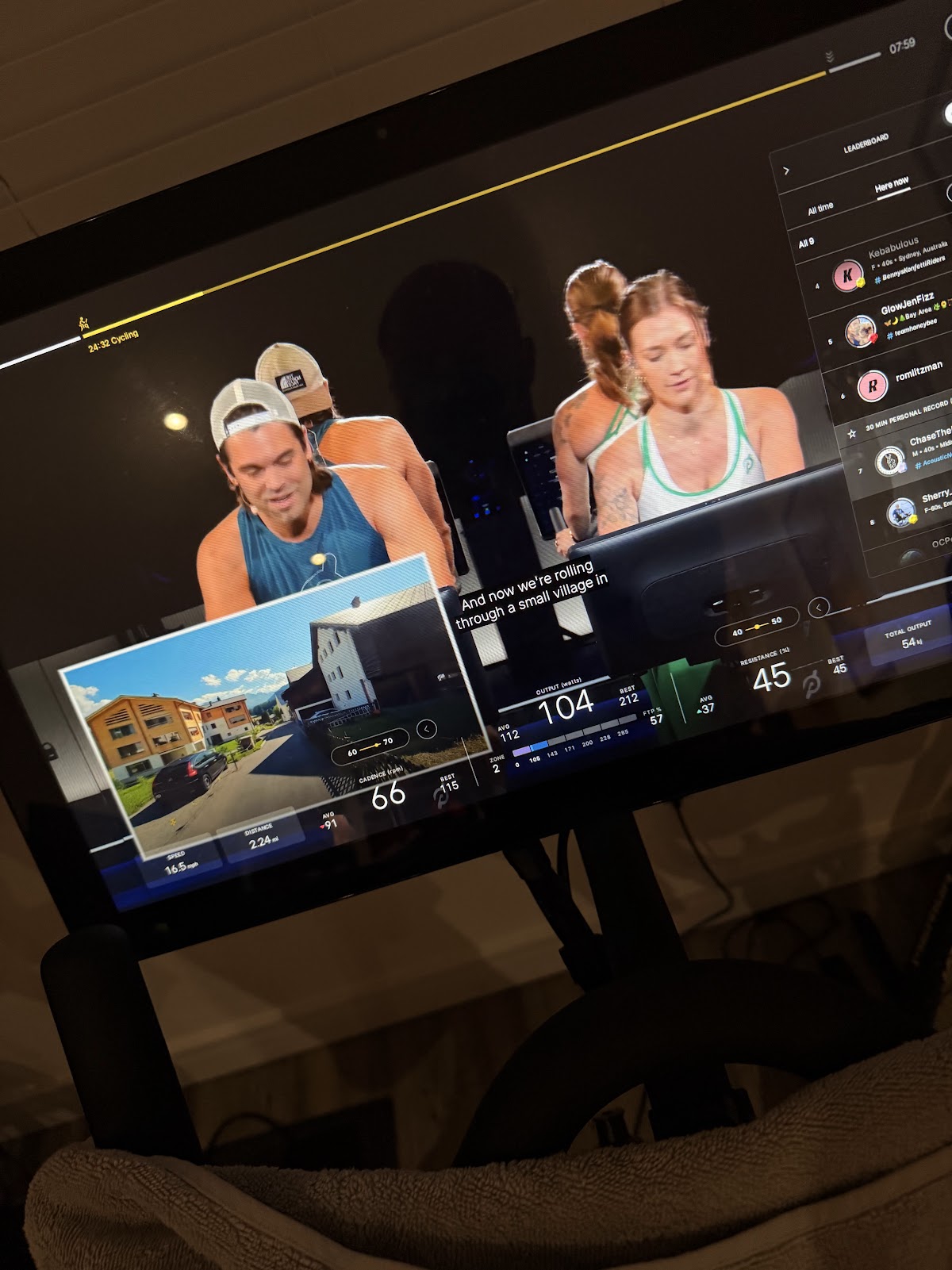
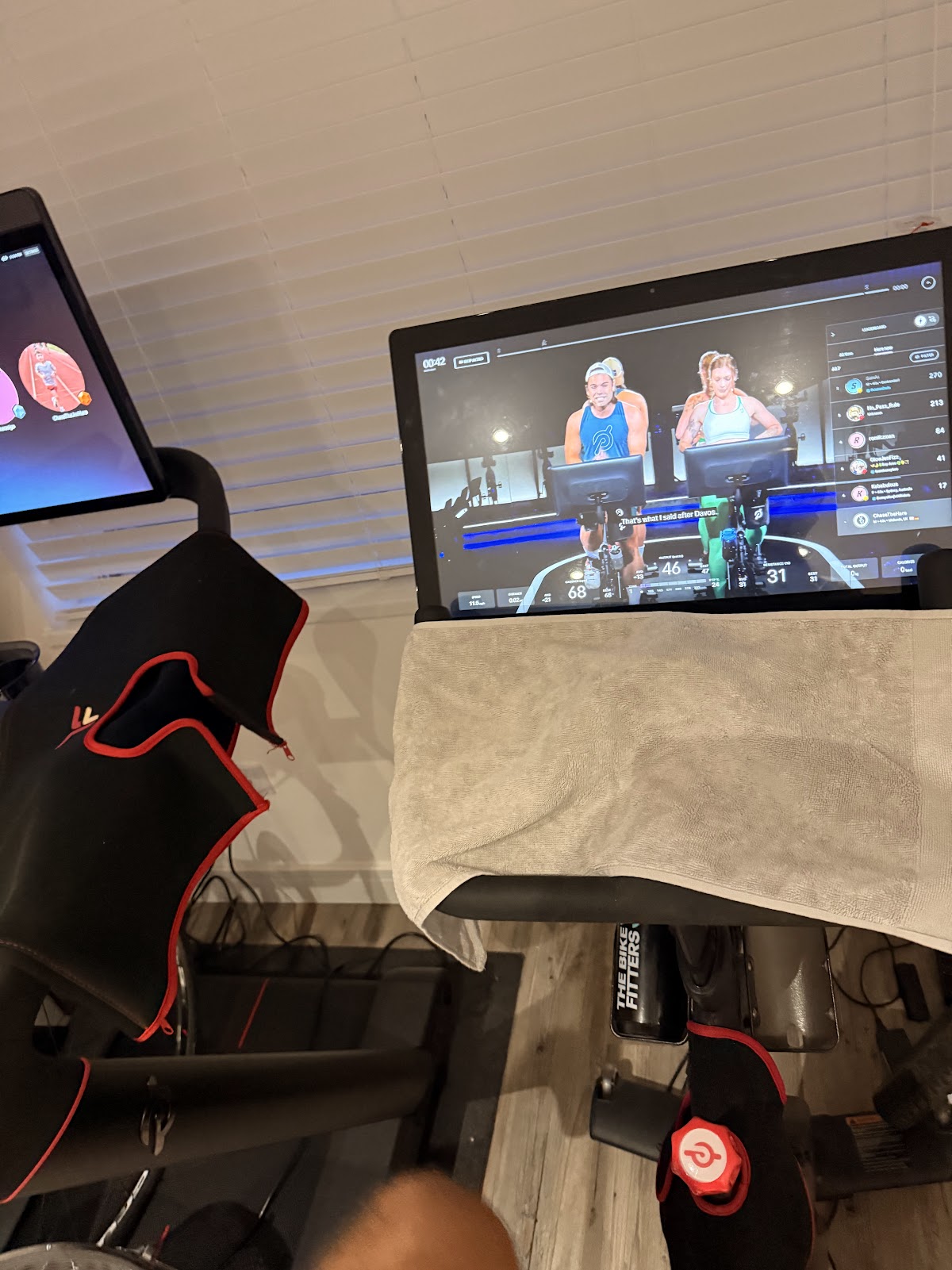
The evening after fracture clinic, I climbed back onto the Peloton.
Nothing heroic. Nothing designed to prove that the accident had not affected me. Just twenty minutes.
No shoulder pain. No rib pain. No breathing discomfort.
The following evening became thirty minutes. I kept the same 195 FTP reference I had been using before the accident and, again, the shoulder, ribs and breathing were fine.
The next morning I woke without shoulder or rib pain.
That was a strange moment to process. Only weeks earlier I had been lying in hospital with a tube through my chest allowing my collapsed lung to re-expand. Now I was riding again.
It did not mean the recovery was finished. The shoulder still had some tightness, running was the next test and paddleboarding would have to wait. But the return had stopped being something I was talking about in the future.
It had started.
The Next Stage: Rebuilding
By late August, recovery had moved into another phase.
At my physiotherapy review on 24 August, the news was positive. The focus had shifted away from protecting the fracture and towards rebuilding the strength and control around my shoulder.
There was still some scapular winging — where the shoulder blade was not sitting and moving quite as normally as it should — but the emphasis was now on strengthening the muscles responsible for controlling it.
I was given a programme of exercises to work through daily, with permission to gradually increase the resistance as things became easier and remained comfortable.
That felt like another important change in mindset.
Only a few weeks earlier, the conversation had been about what I was not allowed to do.
Now it was about what I could do, how much load I could add and how the exercises could be progressed further.
My next physiotherapy review is booked for 15 September, when — assuming everything continues in the right direction — the plan is to move onto more advanced strengthening work.
Recovery was not finished.
But by this point, it felt much less like recovering from an accident and much more like rebuilding towards normal strength and movement.
Recovery Timeline
Recovery is not measured by one big breakthrough. It is measured by hundreds of small moments that gradually add up.
Event Day
The SUP stage was cancelled due to high winds. The event continued as a bike-and-run challenge.
The Crash
A vehicle passed extremely closely. I cannot be certain whether there was contact, but immediately afterwards my front wheel hit a pothole and I was thrown heavily onto my right side.
Journey Home
I had been in Devon on my own. Mum and my brother drove down from Redditch to collect me; Mum then drove me home in my car.
A&E
Imaging revealed a collapsed lung, fractured scapula and fractured fourth rib.
Chest Drain
A chest drain was inserted to allow the lung to re-expand.
Lung Re-expanded
The second X-ray confirmed the treatment was working.
Drain Clamped
The drain was clamped to confirm the lung would remain inflated before it was removed.
Home
I was discharged wearing a sling and began the next stage of recovery.
Independence Returns
Showering, dressing and moving around independently again.
Longer Walks
Breathing returned to normal and shoulder movement gradually improved.
Driving & Work
Long walks, driving again, returning to work and lifting my arm close to overhead height.
Fracture Clinic Discharge
Discharged from routine fracture follow-up. Static cycling allowed immediately, running from the following week and paddleboarding around six weeks.
First Ride Back
A controlled 20-minute Peloton ride with no shoulder pain, rib pain or breathing discomfort.
Thirty Minutes
A second pain-free Peloton session, extending to 30 minutes and maintaining my 195 FTP reference.
Physiotherapy Review
A positive review moved recovery into the strengthening phase. Some scapular winging remained, with daily exercises prescribed to rebuild shoulder and scapular control and resistance allowed to increase gradually ahead of the next review on 15 September.
Two EPs
I wrote and released two companion music projects inspired by the experience.
Running, SUP & Beyond
Running is the next progression, followed by paddleboarding and the wider return to sport.
Finding Creativity Through Recovery
Recovery gave me something I rarely have: time.
Ideas became lyrics. Lyrics became songs. Those songs became two companion EPs.
The Stories We Don’t Tell tells those stories through modern country music. The Stories We Don’t Tell: Reimagined uses the same lyrics and emotions in uplifting electronic soundscapes.
The music changed. The stories never did.


Kindness I’ll Never Forget
One thing has stayed with me more than anything else: people.
The messages. The calls. Friends checking in. Family helping every day. Colleagues asking how recovery was going. The care from everyone at the hospital.
The event organisers also reached out afterwards and offered me a complimentary place in the 2027 Devon event — a thoughtful gesture that reflected the community surrounding endurance sport.
Recovery is never something you do entirely on your own.
What the Crash Taught Me
It is easy to think an accident only takes things away.
In many ways, this one gave me things too.
A greater appreciation for good health. More patience. A renewed respect for the NHS. A deeper appreciation for family and friends who step in when you need them most.
Most of all, it reminded me not to postpone the things that matter.
The Return Has Already Started
By early August, the word ‘return’ was no longer hypothetical. The next steps were running, then paddleboarding, followed by a wider return to sport and umpiring as the shoulder continued to heal.
The organisers have offered me a complimentary place at the 2027 Devon event. Whether that becomes the full-circle moment remains to be seen, but I already know one thing: one difficult day does not get to decide what I enjoy for the rest of my life.
Final Thoughts
The crash changed my summer. There is no denying that.
It changed holidays, plans and daily routines.
But it also changed my perspective.
It reminded me how quickly life can change, how remarkable the human body is and how important family, friends and complete strangers can be when life takes an unexpected turn.
Most importantly, it reminded me that recovery is not always about getting back to who you were before.
Sometimes it is about discovering who you become afterwards.
So here is to being back on the bike, getting back on the water and whatever challenge comes next.
See you out there.
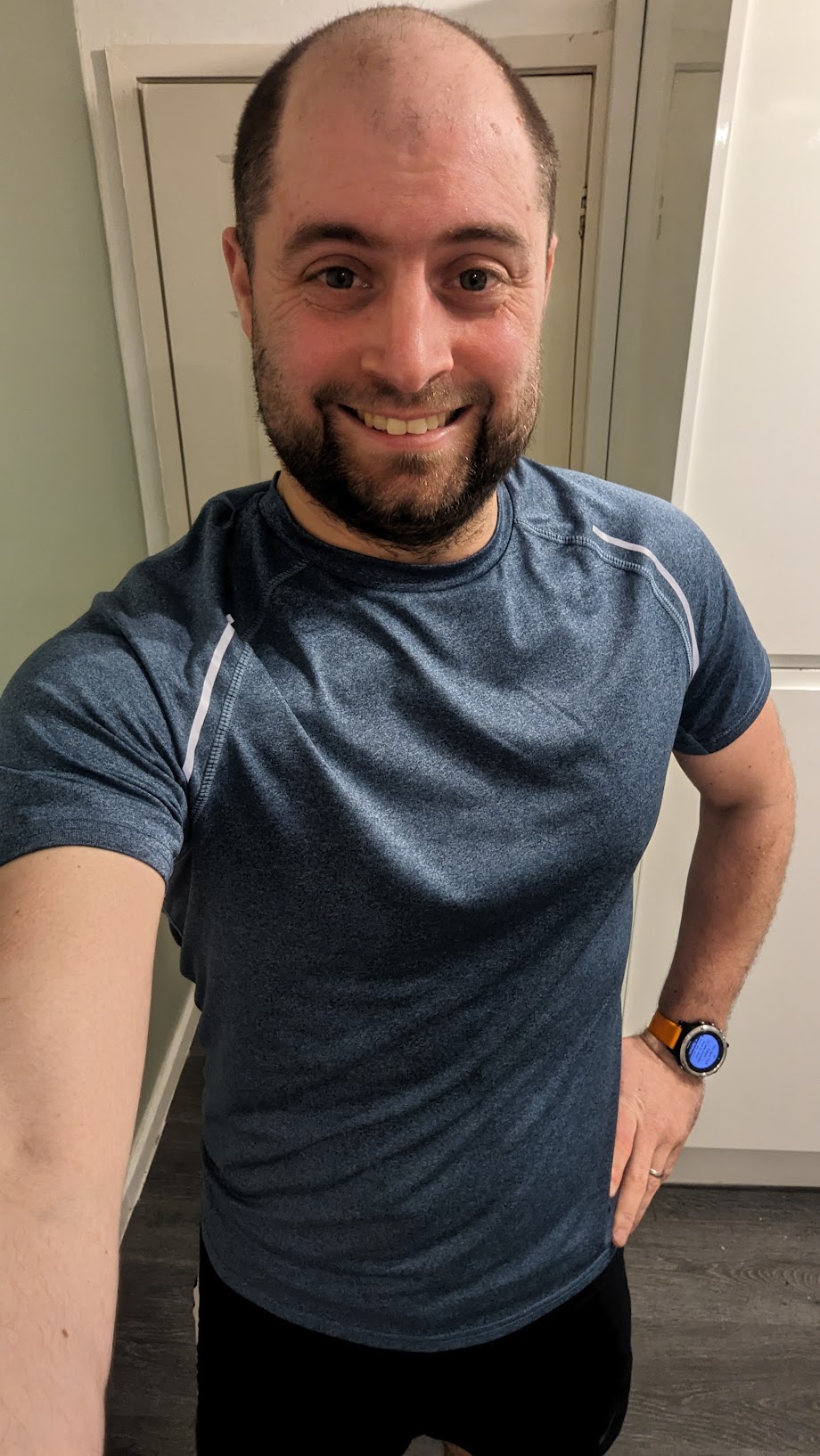
“The crash changed my summer, but it did not take away my love of adventure.”


No Comment! Be the first one.