When the Party Sounds Like Static: Christmas With Hearing Loss
There’s a strange contrast that comes with this time of year. Everywhere you look, Christmas is painted as loud, bright, and full of energy, the kind of season where you’re supposed to glide effortlessly from one group conversation to the next, laughing, mingling, clinking glasses, and soaking in the buzz.
Table Of Content
But living with partial hearing loss turns that same season into something much more complicated.
For me, December isn’t just parties and catch-ups. It’s a month of mental preparation. And this year, there’s an extra layer: I’m turning 40. A milestone birthday that comes with its own expectations of celebration, gatherings, people wanting to mark the occasion properly. More events. More noise. More pressure to be present in spaces that already feel overwhelming.
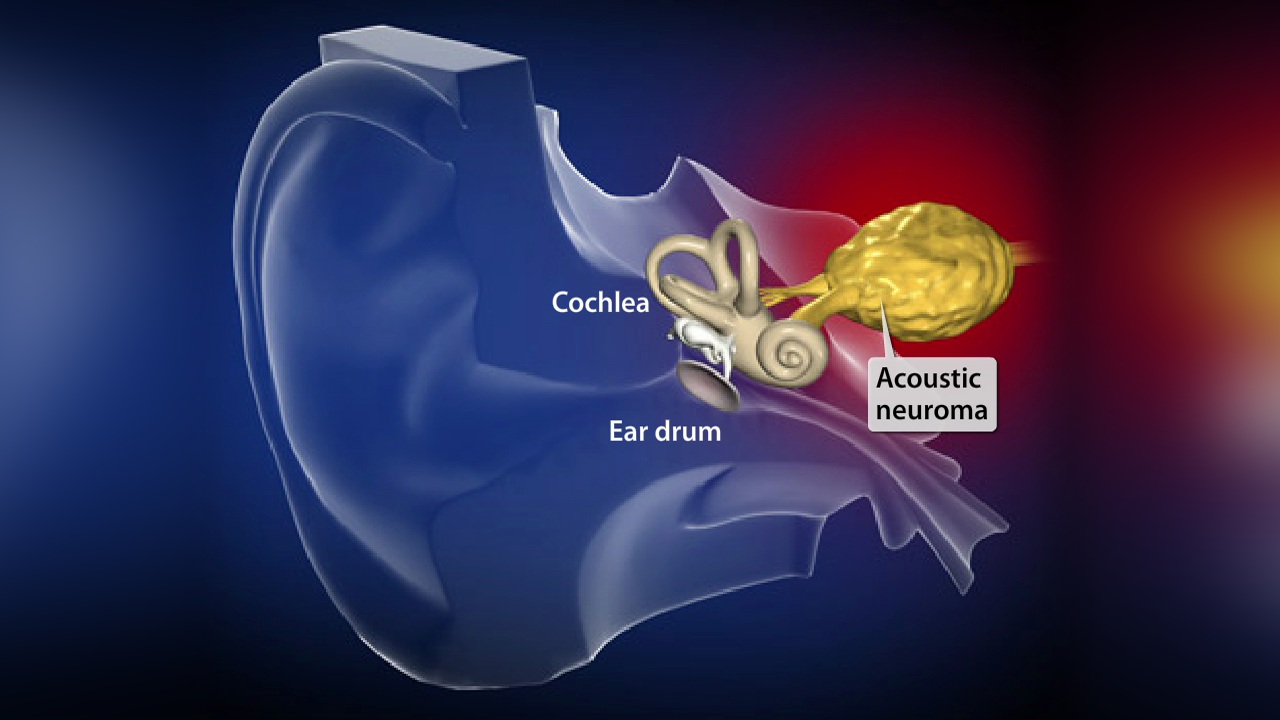
What is an Acoustic Neuroma?
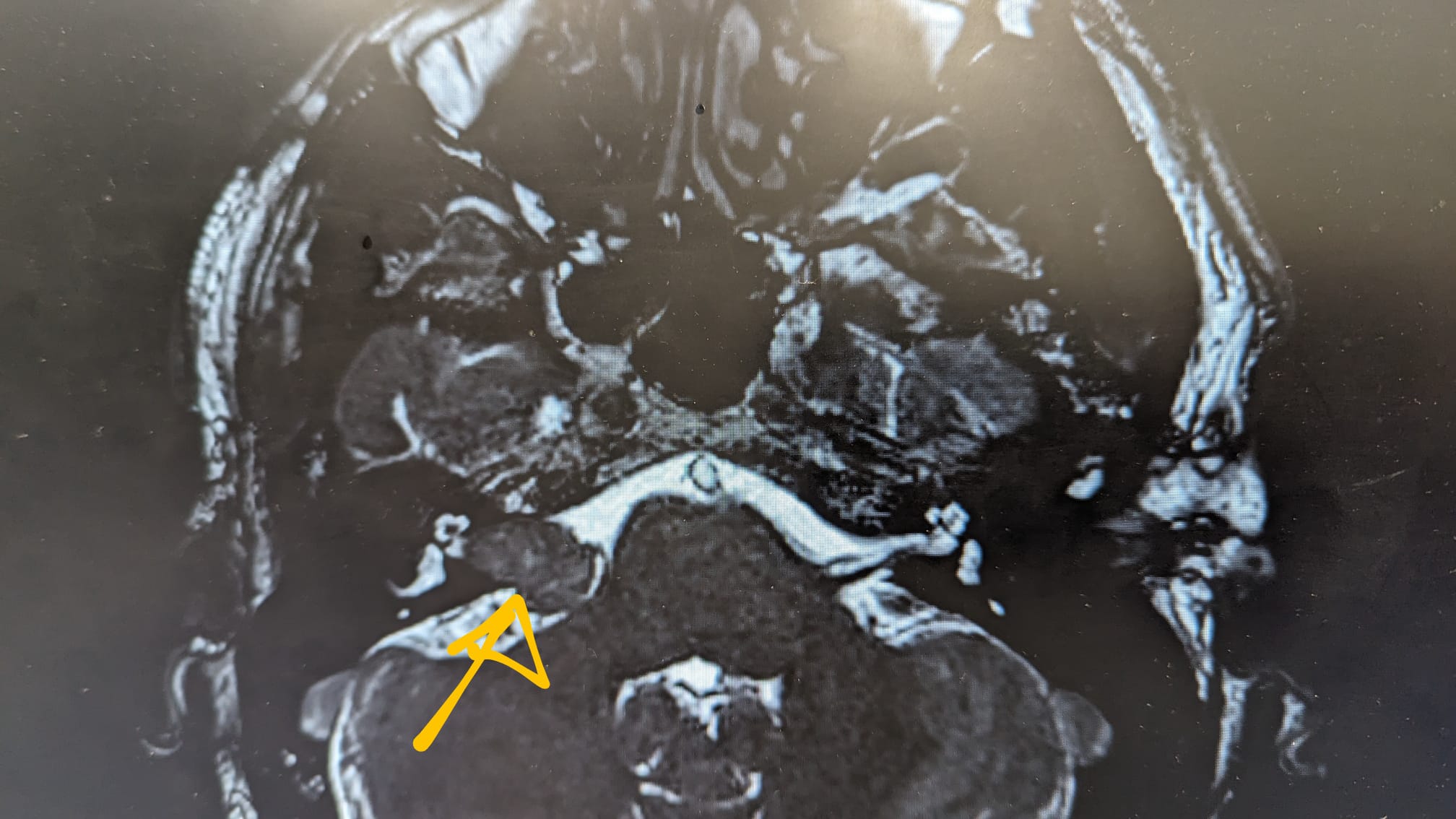
If you’re new to reading about my journey, an acoustic neuroma is a non-cancerous tumour that grows on the nerve connecting your inner ear to your brain. It’s rare, slow-growing, and for many people, it eventually affects hearing, balance, and sometimes facial nerves.
In my case, it’s left me with partial hearing loss in one ear. That means one side works reasonably well, while the other has essentially clocked off early. It’s not complete deafness, but it’s not typical hearing either. I exist somewhere in between, where sound comes through unevenly, words blur together in noisy spaces, and my brain has to work overtime to piece together conversations.
It’s invisible. There’s no cast, no walking stick, nothing that signals to others that I’m navigating the world differently. Which means most people have no idea how much effort goes into simply hearing them.
When your hearing shifts, whether you wear aids, go without, or sit somewhere in between, social spaces don’t simply feel noisy. They feel like you’re trying to tune into a radio station that keeps drifting out of range.
The Soundtrack of Social Anxiety
The hardest moments aren’t the big headline ones. It’s the smaller beats that stack up.
Someone telling a joke across the table and everyone laughs before you even catch the setup. That tiny split-second panic when someone clearly asks you a question but the words arrive muffled or blurred. Smiling, nodding, hoping you’ve interpreted the moment correctly. The exhaustion from concentrating so hard you forget to actually enjoy yourself.
It’s not shyness. It’s not being antisocial. It’s simply that hearing becomes work, and in December, there’s a lot more work to do.
The Invisible Wall in a Crowded Room
Here’s what I wish more people understood: I’m there. I’m physically present. I’ve shown up. I want to be part of the conversation. But sometimes I genuinely haven’t heard you.
It’s not that I’m ignoring you. It’s not that I’m distracted or uninterested. It’s that your voice has become part of a wall of sound my brain can’t separate out. The music, the other conversations bleeding in from the side, the clatter of glasses, someone laughing three feet away, it all merges into this overwhelming layer of noise that my one working ear is desperately trying to filter through.
And the thing is, filtering takes time. By the time I’ve worked out what you’ve said, the conversation has already moved on. Or I’ve missed the question entirely and I’m left trying to work out if I should ask you to repeat yourself for the third time or just smile and hope I’ve read the moment right.
This is where the social isolation creeps in. Not because I’ve left the room, but because I’m standing right there and still feel completely disconnected. I can see people’s mouths moving. I can see the energy and the laughter. But I’m on the outside of it, trying to catch up, trying to break through the sound barrier that nobody else seems to notice.
It’s lonely in a way that’s hard to explain. You’re surrounded by people, and yet you feel like you’re watching the party from behind glass.
Group Conversations: The Impossible Sport
Group conversations at Christmas parties should honestly be an Olympic event. Multiple voices, background music, clattering glasses, a room full of overlapping festive chaos, all landing on one ear that’s doing its best while the other just quietly bows out.
It’s overwhelming in ways most people never notice, and it creates a pressure you can feel physically. You want to participate, but your brain is five seconds behind, playing catch-up. You’re meant to be celebrating yourself, your life, this big moment of turning 40, but instead you’re just trying to follow the conversation.
And then there’s the misinterpretation. Someone says something, you think you’ve caught it, you respond, and suddenly you realise from their face that you’ve answered a completely different question. Or worse, you’ve stayed quiet because you weren’t sure, and now there’s this awkward gap where everyone’s waiting for you to say something and you’re scrambling to piece together what just happened.
Sometimes the easiest way to cope is to step back, reposition yourself, or stick to smaller one-to-one chats where the world feels slower and more in focus. But even that comes with guilt. Because stepping back can look like disinterest. And you don’t want people to think you don’t care.
The Quiet Guilt That Comes With It
There’s also the emotional side no one really talks about.
You don’t want to be rude. You don’t want to look disinterested. You don’t want friends or colleagues to think you’re not paying attention. And when it’s your own birthday celebration, there’s an added weight: these people have shown up for you, and you’re struggling to stay present for them.
I think about the conversations I’ve missed, the moments where someone was trying to connect and I just couldn’t access what they were saying. I think about the people who might have walked away thinking I blanked them or didn’t want to talk. And I carry that.
So you push through. Smile, nod, mask the effort. And then spend the next day feeling drained, guilty, or frustrated that you missed so much.
That’s the real social anxiety of hearing loss: not the fear of people, but the fear of letting people down. The fear of being misunderstood. The fear that your presence isn’t enough because you can’t keep up with the noise.
Learning to Give Yourself Grace
But here’s what I’ve come to realise, especially as this milestone approaches.
It’s okay to step outside for some air. It’s okay to ask someone to repeat what they said. It’s okay to position yourself somewhere quieter, or simply leave the room for a bit. And it’s okay to choose the smaller moments over the loud ones.
Turning 40 doesn’t mean I have to prove anything or perform in ways that don’t work for me anymore. Christmas isn’t defined by hearing every word. It’s defined by connection, and connection can happen quietly too.
Sometimes the calmest conversations are the most meaningful.
Closing the Year With a Different Kind of Clarity
Living with an acoustic neuroma and partial hearing loss has taught me something unexpected: silence isn’t the enemy, it’s just another texture to life.
I may struggle in busy rooms, but I thrive in quieter spaces. On the paddleboard, on a solo walk with my headphones on, or in those one-to-one conversations where you actually hear more than just words and embrace the situation.
And maybe that’s the real gift this season, especially at 40: the reminder that we don’t all experience Christmas the same way, and that’s okay. That milestones don’t have to look the way we thought they would.
For anyone else stepping into a noisy room this month, trying to navigate sound that doesn’t quite cooperate, maybe while celebrating something that feels like it should be easier, you’re not alone. Your experience is valid. Your effort is enough. Even when the words don’t land, your presence does.
And to the people around us: if someone seems distant or quiet in a group setting, it might not be disinterest. It might just be that they’re working twice as hard as everyone else just to hear you. A little patience, a willingness to repeat yourself, or even just pulling them aside for a quieter chat can make all the difference.
Please share this article if you like it!
I’m a fitness enthusiast and Peloton addict who loves challenging limits through races, paddleboarding, and life’s adventures. Here, I share milestones, reflections on Acoustic Neuroma, and stories of resilience and growth.
No Comment! Be the first one.